
Все

Тонармы — Reed REED 2G 10.5"
Описание, изображения, технические характеристики и спецификации
Reed REED 2G 10.5"
Источник изображения — © Reed
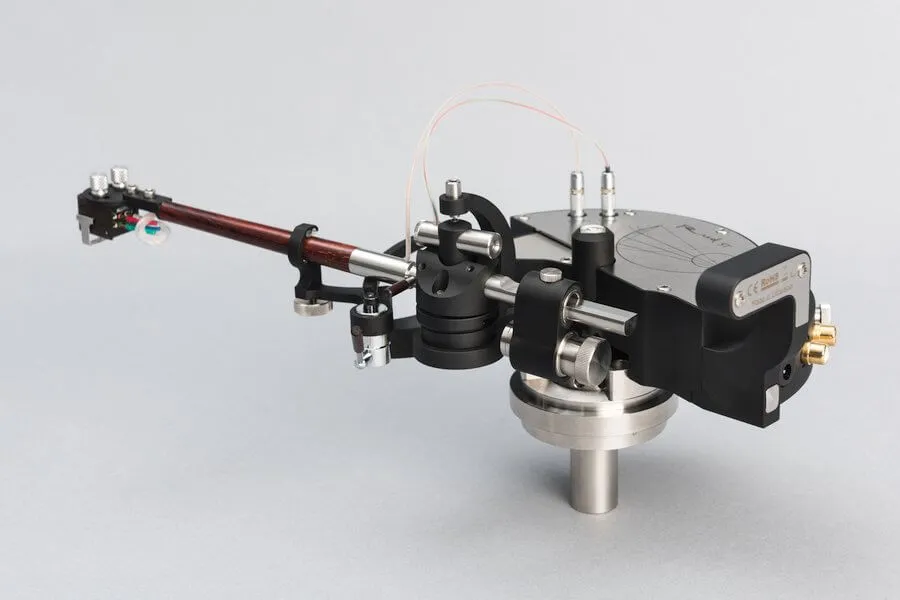
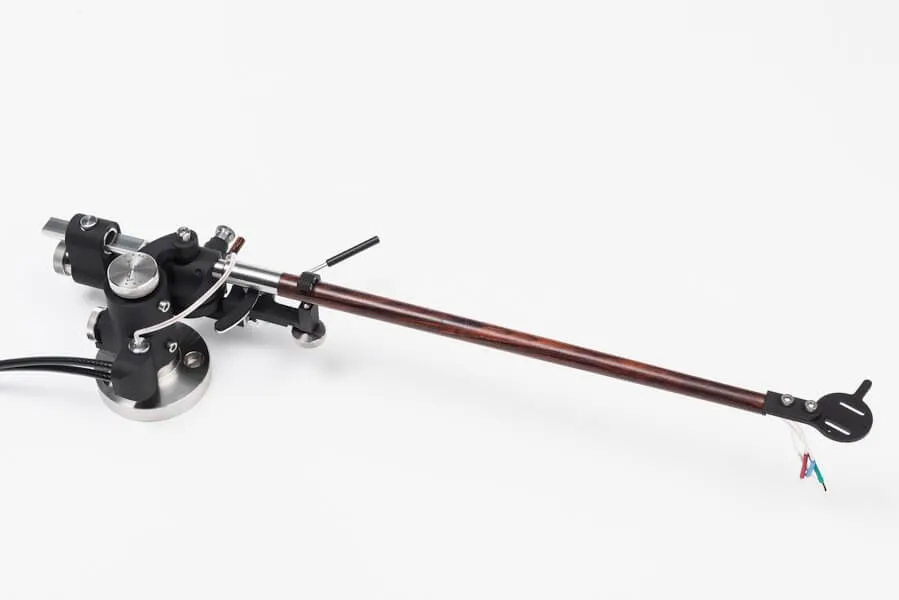
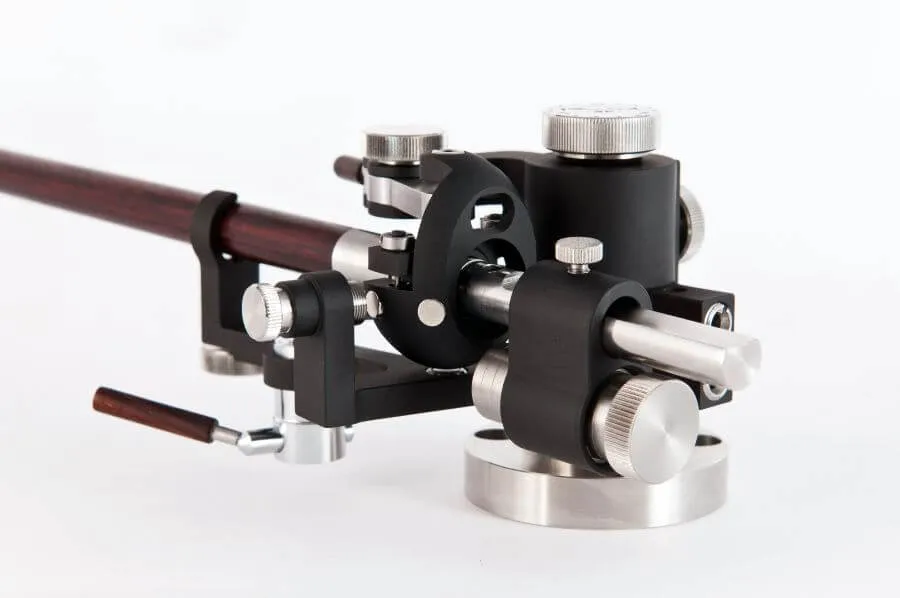
The REED 2G 10.5-inch sits between the 9.5 and 12 inch versions of the 2G tonearm from Reed, a Lithuanian workshop led by Vidmantas Triukas that builds pivoted arms by hand to each order. Reed describes the 2G as a model that combines the strongest points of its earlier 2A and 3Q arms and adds several new features. One European price list starts the 2G at EUR 3,406.40 in the base 9.5 inch form and charges EUR 96.70 extra for this 10.5 inch length, while a US list gives a starting figure of USD 5,945.
Key specs that matter
Geometry for the 10.5 inch arm is a quoted mounting distance of 236.1 mm, 251.6 mm from pivot to spindle centre, an overhang of 15.4 mm and an offset angle of 20.7 degrees. Across the 2G family the effective mass lies between 14 g and 22 g, depending on which wood is used for the wand and which headshell is fitted. Arm height can be set anywhere from 28 mm to 48 mm, and the vertical tracking angle mechanism moves in steps of 0.2 mm. Wand timbers on offer are wenge, Macassar ebony, cocobolo and teak in a light or dark shade.
Engineering and use context
The bearing is cardanic. On the vertical axis it uses thrust rotation bearings, and on the horizontal axis thrust pivot bearings close to those of the Reed 3P, a layout intended to stop the bearings from wobbling. The wand plugs into the bearing block through a LEMO connector, so one base can take wands of another length or mass without rewiring. Headshells are also interchangeable, and each 2G has its own system for setting azimuth. Anti-skating force comes from magnets, following the method first used on the 3P. A version with a calibrated laser, continuing the practice introduced on the 3Q, helps set vertical tracking angle and azimuth precisely. Signal leaves the arm either through Finewire C37 cable or through a 5-pin DIN socket for a separate lead of the owner's choice. Metal parts are offered in matte or glossy gold, black, seashell white and palladium.
Pairing
The height range lets the 2G sit on most turntables, with or without an adapter plate, and the pivot distance fits many decks prepared for an arm of this length. The effective mass window gives room to match the arm to a cartridge by picking a lighter or heavier wand, and the DIN socket leaves the choice of phono lead open.
Alternatives
The Reed 3P is an earlier Reed tonearm that introduced the magnetic anti-skating and thrust pivot bearings later carried into the 2G.
Key specs that matter
Geometry for the 10.5 inch arm is a quoted mounting distance of 236.1 mm, 251.6 mm from pivot to spindle centre, an overhang of 15.4 mm and an offset angle of 20.7 degrees. Across the 2G family the effective mass lies between 14 g and 22 g, depending on which wood is used for the wand and which headshell is fitted. Arm height can be set anywhere from 28 mm to 48 mm, and the vertical tracking angle mechanism moves in steps of 0.2 mm. Wand timbers on offer are wenge, Macassar ebony, cocobolo and teak in a light or dark shade.
Engineering and use context
The bearing is cardanic. On the vertical axis it uses thrust rotation bearings, and on the horizontal axis thrust pivot bearings close to those of the Reed 3P, a layout intended to stop the bearings from wobbling. The wand plugs into the bearing block through a LEMO connector, so one base can take wands of another length or mass without rewiring. Headshells are also interchangeable, and each 2G has its own system for setting azimuth. Anti-skating force comes from magnets, following the method first used on the 3P. A version with a calibrated laser, continuing the practice introduced on the 3Q, helps set vertical tracking angle and azimuth precisely. Signal leaves the arm either through Finewire C37 cable or through a 5-pin DIN socket for a separate lead of the owner's choice. Metal parts are offered in matte or glossy gold, black, seashell white and palladium.
Pairing
The height range lets the 2G sit on most turntables, with or without an adapter plate, and the pivot distance fits many decks prepared for an arm of this length. The effective mass window gives room to match the arm to a cartridge by picking a lighter or heavier wand, and the DIN socket leaves the choice of phono lead open.
Alternatives
The Reed 3P is an earlier Reed tonearm that introduced the magnetic anti-skating and thrust pivot bearings later carried into the 2G.
Характеристики
Название модели
REED 2G 10.5"
Тип
Unipivot
Эффективная масса (g)
N/A
Эффективная длина (mm)
10, 12, 14
Диапазон регулировки баланса каналов (g)
N/A
Угол смещения (deg)
20.7
Свес иглы (mm)
15.4
Вес (g)
N/A
Официальная ссылка
Другие компоненты
Тонармы
Reed REED 5T
Тонармы
Reed REED 2G 9.5"
Тонармы
Reed REED 2G 12"
Тонармы
Reed Reed 3P 9.5"
Тонармы
Reed REED 3P 10.5"