
Все

Стримеры — AURALiC ARIES G1.1
Описание, изображения, технические характеристики и спецификации
AURALiC ARIES G1.1
Источник изображения — © AURALiC
The Aries G1.1 is a network streamer from AURALiC, built with a wide DSD ceiling. AURALiC is a Chinese manufacturer with a serious reputation specifically for network streaming technology, and the Aries range represents the brand's core dedicated transport and streaming product line.
Position in line
It sits below the Aries G2.2 in AURALiC's streaming hierarchy. This positioning below the G2.2 suggests the G1.1 offers a capable but more accessible route into AURALiC's streaming platform, before the brand's more elaborate higher-tier model.
Key specs that matter
It handles PCM up to 32-bit/384kHz and DSD512. At 340 x 320 x 80 mm and 7.4 kg it is a moderate chassis, practical for a typical equipment shelf without demanding excessive space.
Sound and use context
Expect a clean, controlled presentation typical of a dedicated streaming transport, built to feed a separate DAC or a system's built-in converter with high-resolution digital audio - AURALiC's reputation within the streaming category rests specifically on careful attention to network audio implementation and software stability rather than analogue circuit voicing, since this model's role is fundamentally about clean digital delivery.
Pairing
Requires a separate DAC unless the specific configuration includes a built-in converter option, so buyers should confirm exactly what conversion path this unit provides before assuming it functions as a complete standalone source.
Alternatives
The Aries G2.2 sits above this model in AURALiC's streaming range with likely more developed features and refinement, worth the further investment if this model's already capable core streaming technology still leaves ambitions for AURALiC's higher tier. AURALiC own app for streaming control and library management is worth exploring after setup, since the brand has built a strong reputation for its software interface as much as the underlying hardware. A dealer demonstration comparing this model directly against the higher-tier G2.2 helps clarify exactly what additional refinement the step up buys for a specific system. Standard digital outputs feed a compatible DAC without needing additional signal processing on this transport side. Firmware updates delivered through the network connection are worth checking periodically after initial setup for potential feature improvements. A dedicated audio-grade network switch upstream is also worth considering for potential further improvement.
Position in line
It sits below the Aries G2.2 in AURALiC's streaming hierarchy. This positioning below the G2.2 suggests the G1.1 offers a capable but more accessible route into AURALiC's streaming platform, before the brand's more elaborate higher-tier model.
Key specs that matter
It handles PCM up to 32-bit/384kHz and DSD512. At 340 x 320 x 80 mm and 7.4 kg it is a moderate chassis, practical for a typical equipment shelf without demanding excessive space.
Sound and use context
Expect a clean, controlled presentation typical of a dedicated streaming transport, built to feed a separate DAC or a system's built-in converter with high-resolution digital audio - AURALiC's reputation within the streaming category rests specifically on careful attention to network audio implementation and software stability rather than analogue circuit voicing, since this model's role is fundamentally about clean digital delivery.
Pairing
Requires a separate DAC unless the specific configuration includes a built-in converter option, so buyers should confirm exactly what conversion path this unit provides before assuming it functions as a complete standalone source.
Alternatives
The Aries G2.2 sits above this model in AURALiC's streaming range with likely more developed features and refinement, worth the further investment if this model's already capable core streaming technology still leaves ambitions for AURALiC's higher tier. AURALiC own app for streaming control and library management is worth exploring after setup, since the brand has built a strong reputation for its software interface as much as the underlying hardware. A dealer demonstration comparing this model directly against the higher-tier G2.2 helps clarify exactly what additional refinement the step up buys for a specific system. Standard digital outputs feed a compatible DAC without needing additional signal processing on this transport side. Firmware updates delivered through the network connection are worth checking periodically after initial setup for potential feature improvements. A dedicated audio-grade network switch upstream is also worth considering for potential further improvement.
Характеристики
Название модели
ARIES G1.1
Наличие встроенного ЦАП
Н/д
Совместимость с DSD
Да
Параметры
up to 384KHz / 32Bit and DSD512
DSP-обработка
N/A
Нижняя граница частотного диапазона +/- 3дБ (Hz)
N/A
Верхняя граница частотного диапазона +/- 3дБ (Hz)
N/A
Усиление (dBu)
N/A
Входное сопротивление (балансное) (Ω)
N/A
Входное сопротивление (небалансное) (Ω)
N/A
Выходное сопротивление (балансное) (Ω)
N/A
Выходное сопротивление (небалансное) (Ω)
N/A
Уровень аналогового выхода (балансный) (V)
N/A
Уровень аналогового выхода (небалансный) (V)
N/A
Отношение сигнал/шум (dB)
N/A
Коэффициент гармонических искажений + шум (% at 22 kHz)
N/A
Габариты (mm)
340 x 320 x 80
Вес (kg)
7.4
Официальная ссылка
Другие компоненты
Стримеры
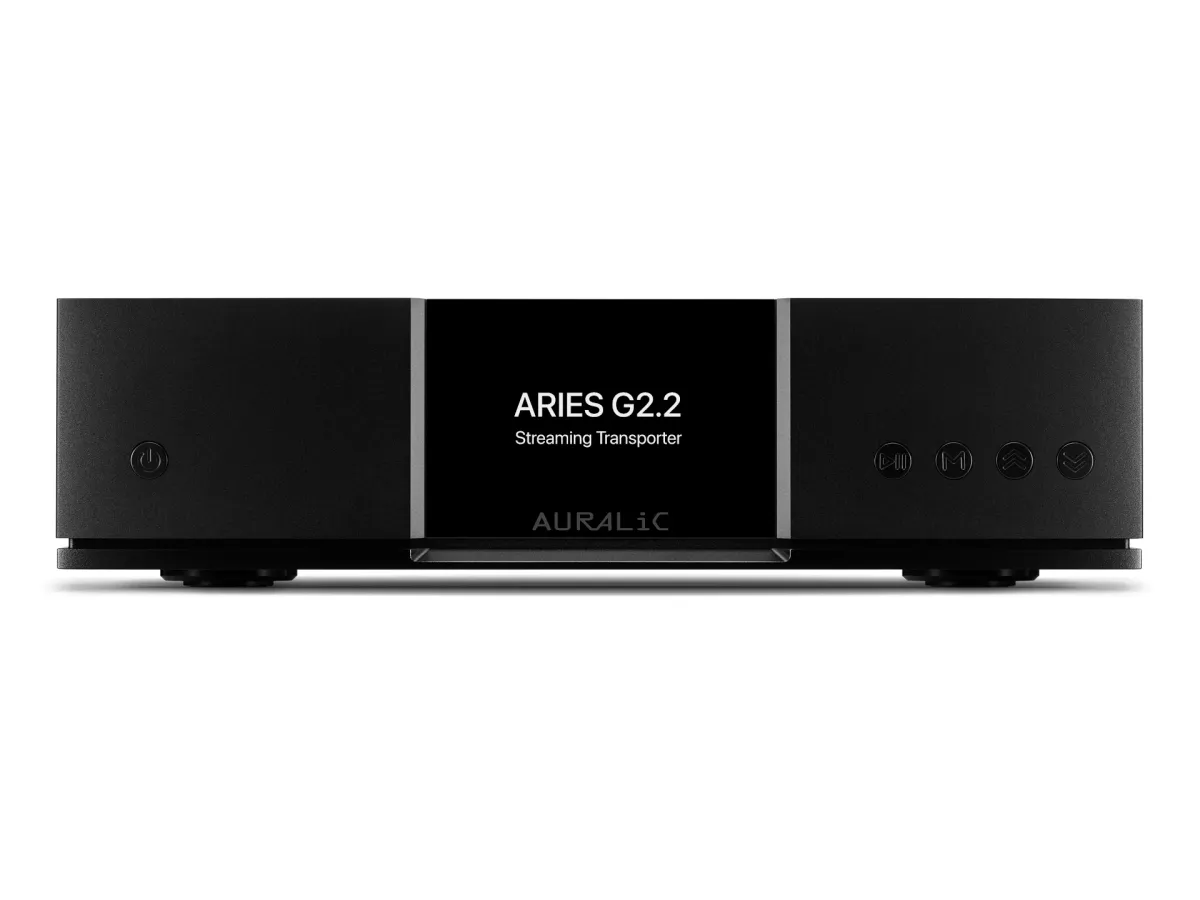
AURALiC ARIES G2.2
Стримеры
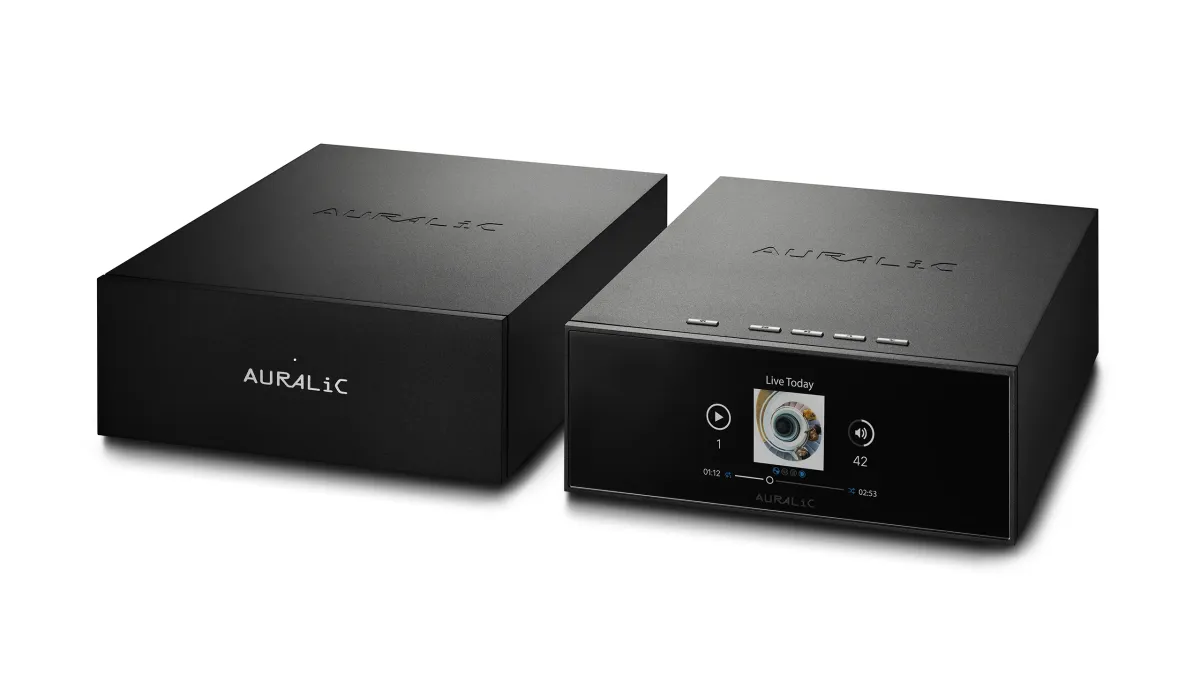
AURALiC ARIES S1
Стримеры
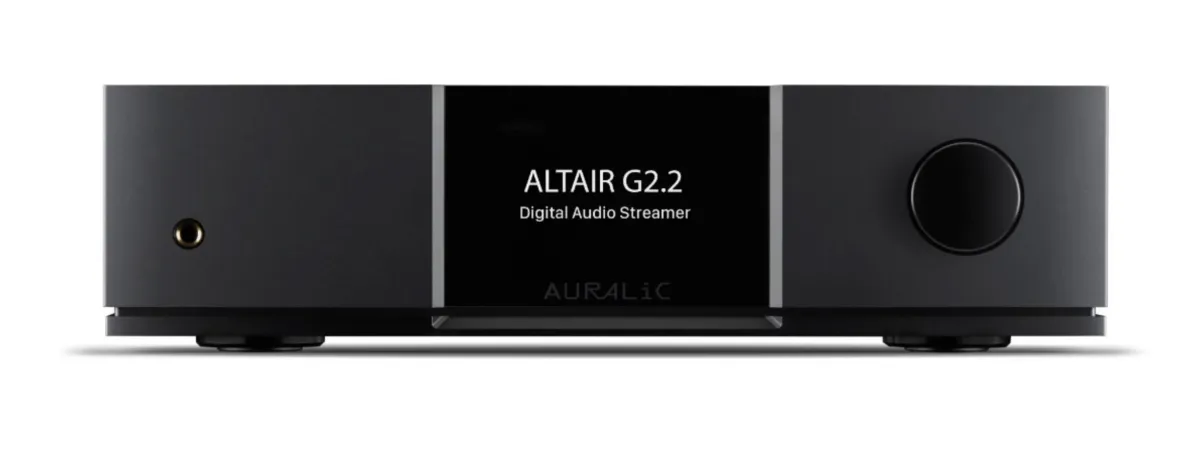
AURALiC ALTAIR G2.2

Стримеры
AURALiC VEGA G2.2

Стримеры
AURALiC Aquila X3