Все

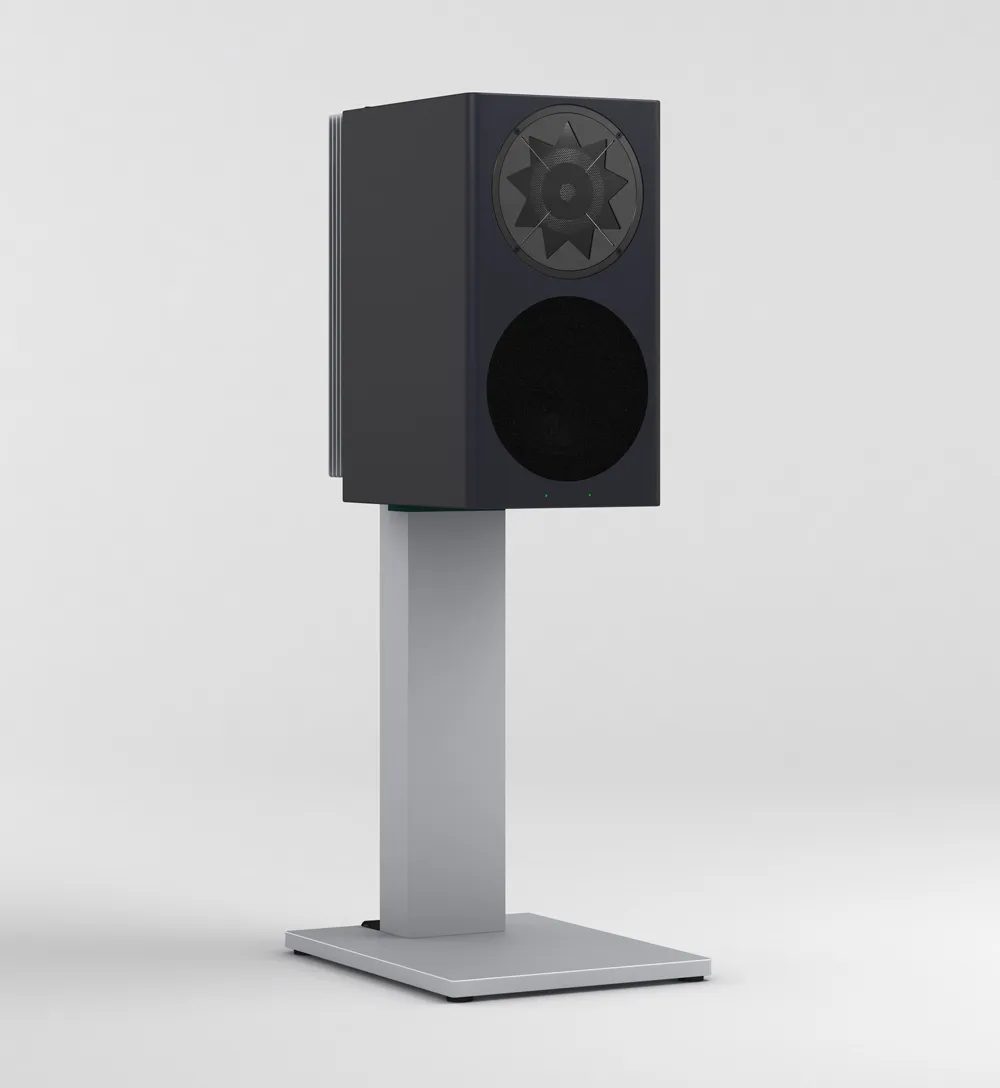
Полочная акустика — Manger Z1
Описание, изображения, технические характеристики и спецификации
Manger Z1
Источник изображения — © Manger
The Z1 is a bookshelf speaker from Manger, built around the brand's proprietary bending-wave transducer technology. Manger is a German manufacturer with a distinctive engineering reputation built around this single unconventional driver principle, which handles a remarkably wide frequency range from one transducer rather than the multi-driver approach most rivals use.
Position in line
It sits alongside the C1 in Manger's bookshelf range as a related design. This positioning alongside the C1 suggests Manger offers more than one cabinet size built around its core bending-wave transducer technology, likely differentiated by cabinet volume and any additional driver support for the very lowest frequencies.
Key specs that matter
Rated response is 40 Hz to 40 kHz, an unusually wide window reflecting the bending-wave transducer's broad operating range. Sensitivity is 89 dB into 4 ohms with a 50-200 W window. At 53.4 x 27.0 x 36.4 cm and 21 kg it is a substantial stand-mount cabinet, consistent with Manger's serious engineering approach to housing this distinctive transducer technology.
Sound and use context
Expect the fast, coherent presentation Manger's bending-wave transducer is specifically built around, with a single driver covering an unusually wide frequency range - this technology is generally associated with exceptional time-domain accuracy and coherence, since a single transducer avoids the phase and timing complications inherent in a conventional multi-way crossover splitting frequencies across separate drivers.
Pairing
The 89 dB sensitivity and 4 ohm load call for a mid-power amplifier with reasonable current delivery, worth confirming against whatever amplifier is already owned or planned for the system.
Alternatives
The C1 sits alongside this model in Manger's range as a related design built around the same core bending-wave technology, worth comparing directly with a specialist dealer given Manger's specialised and relatively limited international distribution. A dealer demonstration is the only reliable way to judge whether Manger distinctive bending-wave transducer approach suits a specific listener preference, since this technology creates a different presentation from any conventional multi-driver design. A rigid, well-positioned stand at seated ear height remains essential for extracting the full benefit of this transducer time-domain accuracy.
Position in line
It sits alongside the C1 in Manger's bookshelf range as a related design. This positioning alongside the C1 suggests Manger offers more than one cabinet size built around its core bending-wave transducer technology, likely differentiated by cabinet volume and any additional driver support for the very lowest frequencies.
Key specs that matter
Rated response is 40 Hz to 40 kHz, an unusually wide window reflecting the bending-wave transducer's broad operating range. Sensitivity is 89 dB into 4 ohms with a 50-200 W window. At 53.4 x 27.0 x 36.4 cm and 21 kg it is a substantial stand-mount cabinet, consistent with Manger's serious engineering approach to housing this distinctive transducer technology.
Sound and use context
Expect the fast, coherent presentation Manger's bending-wave transducer is specifically built around, with a single driver covering an unusually wide frequency range - this technology is generally associated with exceptional time-domain accuracy and coherence, since a single transducer avoids the phase and timing complications inherent in a conventional multi-way crossover splitting frequencies across separate drivers.
Pairing
The 89 dB sensitivity and 4 ohm load call for a mid-power amplifier with reasonable current delivery, worth confirming against whatever amplifier is already owned or planned for the system.
Alternatives
The C1 sits alongside this model in Manger's range as a related design built around the same core bending-wave technology, worth comparing directly with a specialist dealer given Manger's specialised and relatively limited international distribution. A dealer demonstration is the only reliable way to judge whether Manger distinctive bending-wave transducer approach suits a specific listener preference, since this technology creates a different presentation from any conventional multi-driver design. A rigid, well-positioned stand at seated ear height remains essential for extracting the full benefit of this transducer time-domain accuracy.
Характеристики
Название модели
Z1
Нижняя граница частотного диапазона +/- 3дБ (Hz)
40
Верхняя граница частотного диапазона +/- 3дБ (Hz)
40 000
Чувствительность (dB at 1 W/1m)
89
Импеданс (Ohms)
4
Требования к усилителю мощности (W)
50 - 200
Наличие встроенного усилителя
Н/д
Мощность встроенного усилителя (W)
N/A
Размер (sm)
534 x 270 x 364
Вес (kg)
21
Официальная ссылка