
All

Bookshelf Speakers — DALI OBERON 1
Description, images, technical data and specifications
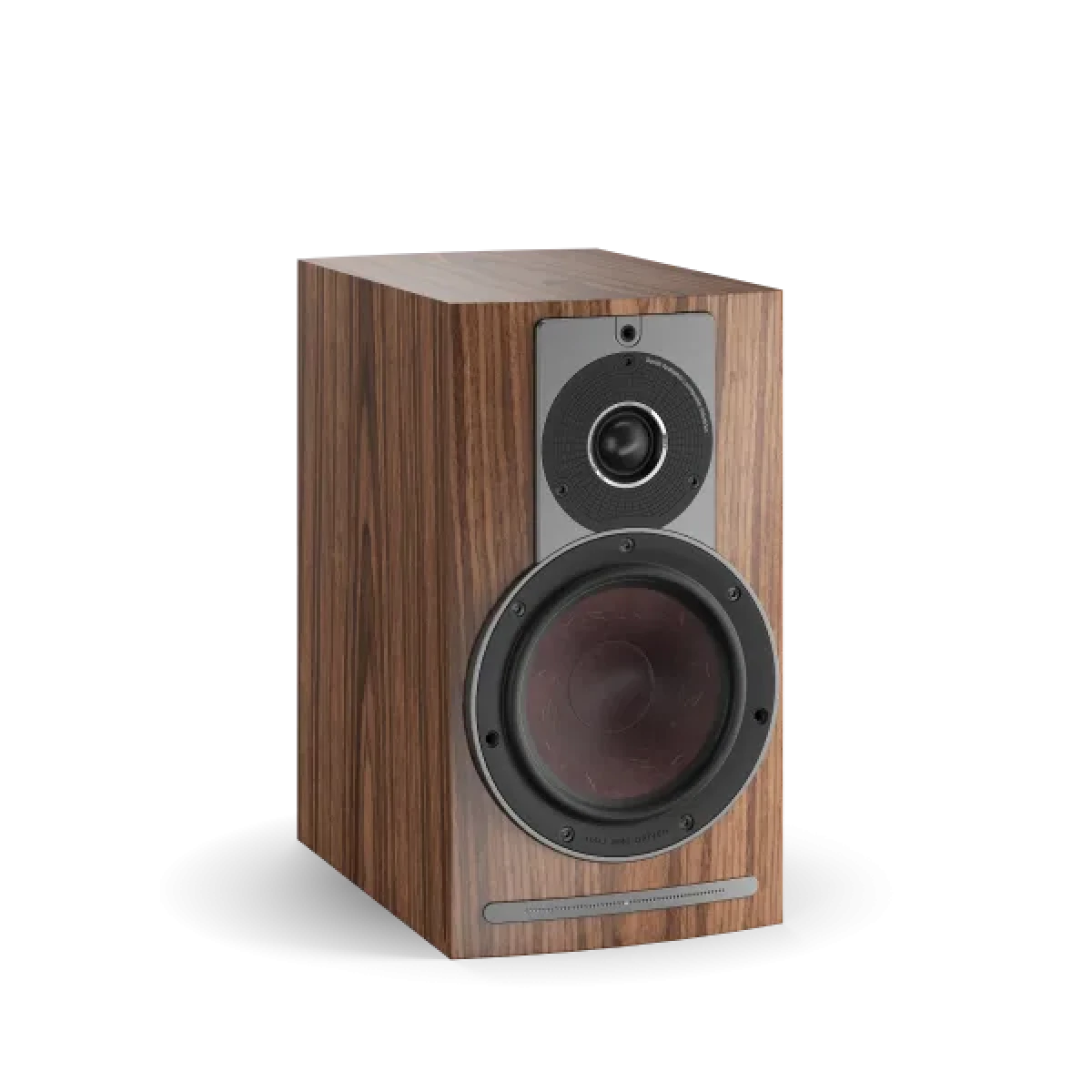
DALI OBERON 1
Image source — © DALI
The Oberon 1 is an entry bookshelf speaker in DALI's numbered Oberon range, built as an accessible two-way design for a first serious stereo system. The Oberon range sits at the foundation of DALI's current catalogue, positioned as the brand's most approachable entry point for a listener building a first genuine hi-fi system rather than buying an all-in-one lifestyle speaker.
Position in line
It sits below the Oberon 3 in DALI's Oberon range, with the smallest cabinet and narrowest bandwidth among the Oberon bookshelf models. As the true entry point in the range, the Oberon 1 likely shares its fundamental driver technology with the larger Oberon models above it, with the differences between tiers coming mainly from cabinet volume and consequent bass extension rather than a change in underlying engineering approach.
Key specs that matter
Rated response is 51 Hz to 26 kHz, a reasonably wide window for an entry-tier bookshelf speaker. Sensitivity is 86 dB into 6 ohms with a 25-100 W recommended window, an easy load for a modest integrated amplifier - accessible figures that should present no difficulty for even a first, budget-conscious amplifier purchase.
Sound and use context
Expect the smooth, easy-to-listen character typical of DALI's Oberon range at entry level - built for approachability rather than the wider bandwidth of the brand's higher tiers, a deliberate voicing choice for a speaker aimed at listeners who may not yet have refined, specific tonal preferences.
Pairing
The 86 dB sensitivity and 6 ohm load suit a modest stereo amplifier or AV receiver channel without demanding current headroom, making this an easy first speaker to build a modest system around.
Alternatives
The Oberon 3 sits above this model with a larger cabinet and deeper bass reach, for a room too large for the Oberon 1's compact scale, worth the modest step up in price if the listening room is anything larger than a small bedroom or study. As DALI's most accessible current bookshelf model, the Oberon 1 is frequently demonstrated alongside entry-level amplifiers from several brands at retail, making an in-store comparison a practical and often very achievable option before committing to a purchase. Basic stands, even inexpensive ones, tend to improve imaging noticeably over shelf placement for a speaker in this class. Cable choice at this level matters far less than getting the basic amplifier and stand decisions right first.
Position in line
It sits below the Oberon 3 in DALI's Oberon range, with the smallest cabinet and narrowest bandwidth among the Oberon bookshelf models. As the true entry point in the range, the Oberon 1 likely shares its fundamental driver technology with the larger Oberon models above it, with the differences between tiers coming mainly from cabinet volume and consequent bass extension rather than a change in underlying engineering approach.
Key specs that matter
Rated response is 51 Hz to 26 kHz, a reasonably wide window for an entry-tier bookshelf speaker. Sensitivity is 86 dB into 6 ohms with a 25-100 W recommended window, an easy load for a modest integrated amplifier - accessible figures that should present no difficulty for even a first, budget-conscious amplifier purchase.
Sound and use context
Expect the smooth, easy-to-listen character typical of DALI's Oberon range at entry level - built for approachability rather than the wider bandwidth of the brand's higher tiers, a deliberate voicing choice for a speaker aimed at listeners who may not yet have refined, specific tonal preferences.
Pairing
The 86 dB sensitivity and 6 ohm load suit a modest stereo amplifier or AV receiver channel without demanding current headroom, making this an easy first speaker to build a modest system around.
Alternatives
The Oberon 3 sits above this model with a larger cabinet and deeper bass reach, for a room too large for the Oberon 1's compact scale, worth the modest step up in price if the listening room is anything larger than a small bedroom or study. As DALI's most accessible current bookshelf model, the Oberon 1 is frequently demonstrated alongside entry-level amplifiers from several brands at retail, making an in-store comparison a practical and often very achievable option before committing to a purchase. Basic stands, even inexpensive ones, tend to improve imaging noticeably over shelf placement for a speaker in this class. Cable choice at this level matters far less than getting the basic amplifier and stand decisions right first.
Specifications
Model name
OBERON 1
Frequency Response low +/- 3dB (Hz)
51
Frequency Response high +/- 3dB (Hz)
26000
Sensitivity (dB at 1 W/1m)
86
Impedance (Ohms)
6
Power amplifier requirements (W)
25 - 100
Has internal amplification
N/A
Internal amplification power (W)
N/A
Size (sm)
N/A
Weight (kg)
N/A
Official link
More components
Bookshelf Speakers
DALI SONIK 3
Bookshelf Speakers
DALI SONIK 1
Bookshelf Speakers
DALI Kupid
Bookshelf Speakers
DALI OBERON 1 C
Bookshelf Speakers
DALI RUBICON 2 C