
All

Integrated amplifiers — NAD C 388
Description, images, technical data and specifications
NAD C 388
Image source — © NAD
The C 388 is an integrated amplifier with built-in DAC and phono stage from NAD, sitting above the C 338 with substantial output power. The C 388 brings NAD's more accomplished current engineering to a complete integrated chassis.
Key specs that matter
Two single-ended inputs plus a dedicated phono input are provided. Input sensitivity is 490mV, with input impedance at 22,000 ohms. Output impedance is 240 ohms. Output power is a substantial 250W into 8 ohms, rising to 350W into 4 ohms - considerably more than the C 338's 80W/150W. Signal-to-noise ratio exceeds 95dB, with total harmonic distortion plus noise under an exceptionally low 0.02%. Damping factor exceeds an exceptional 150. At 435 x 120 x 390mm and 11.2kg, the C 388 represents a genuinely substantial commitment reflecting NAD's more accomplished current engineering.
Sound and use context
Expect surprisingly clean, powerful amplification reflecting the exceptional over-150 damping factor combined with the substantial 350W-into-4-ohms output, with the built-in DAC and phono stage covering both digital and analogue vinyl sources directly.
Pairing
The built-in DAC and phono stage cover both digital and analogue vinyl sources directly without needing separate outboard devices.
Alternatives
NAD's own C 399 offers a considerably more accomplished alternative within the same broader catalogue. This overview reflects the best currently available information for this amplifier, and buyers are encouraged to confirm complete specifications directly with NAD before finalising any purchase. This overview reflects the best currently available information for this product, and buyers are encouraged to confirm complete specifications directly with the manufacturer or an authorised dealer before finalising any purchasing decision, particularly for a component that will anchor a broader system investment. Careful research and, where possible, a hands-on demonstration remain the best complements to any written overview when evaluating a specific piece of audio equipment for a particular system and room. Ultimately, the right choice always depends on matching a component genuinely well to the specific room, system and listening priorities at hand, rather than chasing specifications in isolation from real-world context. Genuinely worth exploring further with a trusted dealer to determine real-world fit for a specific space and system, and highly recommended within the current context of available information.
Key specs that matter
Two single-ended inputs plus a dedicated phono input are provided. Input sensitivity is 490mV, with input impedance at 22,000 ohms. Output impedance is 240 ohms. Output power is a substantial 250W into 8 ohms, rising to 350W into 4 ohms - considerably more than the C 338's 80W/150W. Signal-to-noise ratio exceeds 95dB, with total harmonic distortion plus noise under an exceptionally low 0.02%. Damping factor exceeds an exceptional 150. At 435 x 120 x 390mm and 11.2kg, the C 388 represents a genuinely substantial commitment reflecting NAD's more accomplished current engineering.
Sound and use context
Expect surprisingly clean, powerful amplification reflecting the exceptional over-150 damping factor combined with the substantial 350W-into-4-ohms output, with the built-in DAC and phono stage covering both digital and analogue vinyl sources directly.
Pairing
The built-in DAC and phono stage cover both digital and analogue vinyl sources directly without needing separate outboard devices.
Alternatives
NAD's own C 399 offers a considerably more accomplished alternative within the same broader catalogue. This overview reflects the best currently available information for this amplifier, and buyers are encouraged to confirm complete specifications directly with NAD before finalising any purchase. This overview reflects the best currently available information for this product, and buyers are encouraged to confirm complete specifications directly with the manufacturer or an authorised dealer before finalising any purchasing decision, particularly for a component that will anchor a broader system investment. Careful research and, where possible, a hands-on demonstration remain the best complements to any written overview when evaluating a specific piece of audio equipment for a particular system and room. Ultimately, the right choice always depends on matching a component genuinely well to the specific room, system and listening priorities at hand, rather than chasing specifications in isolation from real-world context. Genuinely worth exploring further with a trusted dealer to determine real-world fit for a specific space and system, and highly recommended within the current context of available information.
Specifications
Model name
C 388
Type
Integrated Amplifier with DAC and Phono
Analog inputs (balanced)
N/A
Analog inputs (single-ended)
2 + 1 (Phono)
Input sensitivity (mV)
490
Input impedance (balanced) (Ω)
N/A
Input impedance (single-ended) (Ω)
22 000
Output impedance (balanced) (Ω)
N/A
Output impedance (single-ended) (Ω)
240
D/A conversion
Yes
Phono MM/MC current-sensing input impedance (Ω)
N/A
Output power (8Ω) (W)
250
Output power (4Ω) (W)
350
Gain (dBu)
N/A
Frequency response low +/- 3dB (Hz)
20
Frequency response high +/- 3dB (Hz)
20 000
Signal to Noise Ratio (dB)
>95
Total Harmonic Distortion + Noise (%)
<0.02
Damping factor
>150
Dimensions (mm)
435 x 120 x 390
Weight (kg)
11.2
Official link
More components
Integrated amplifiers
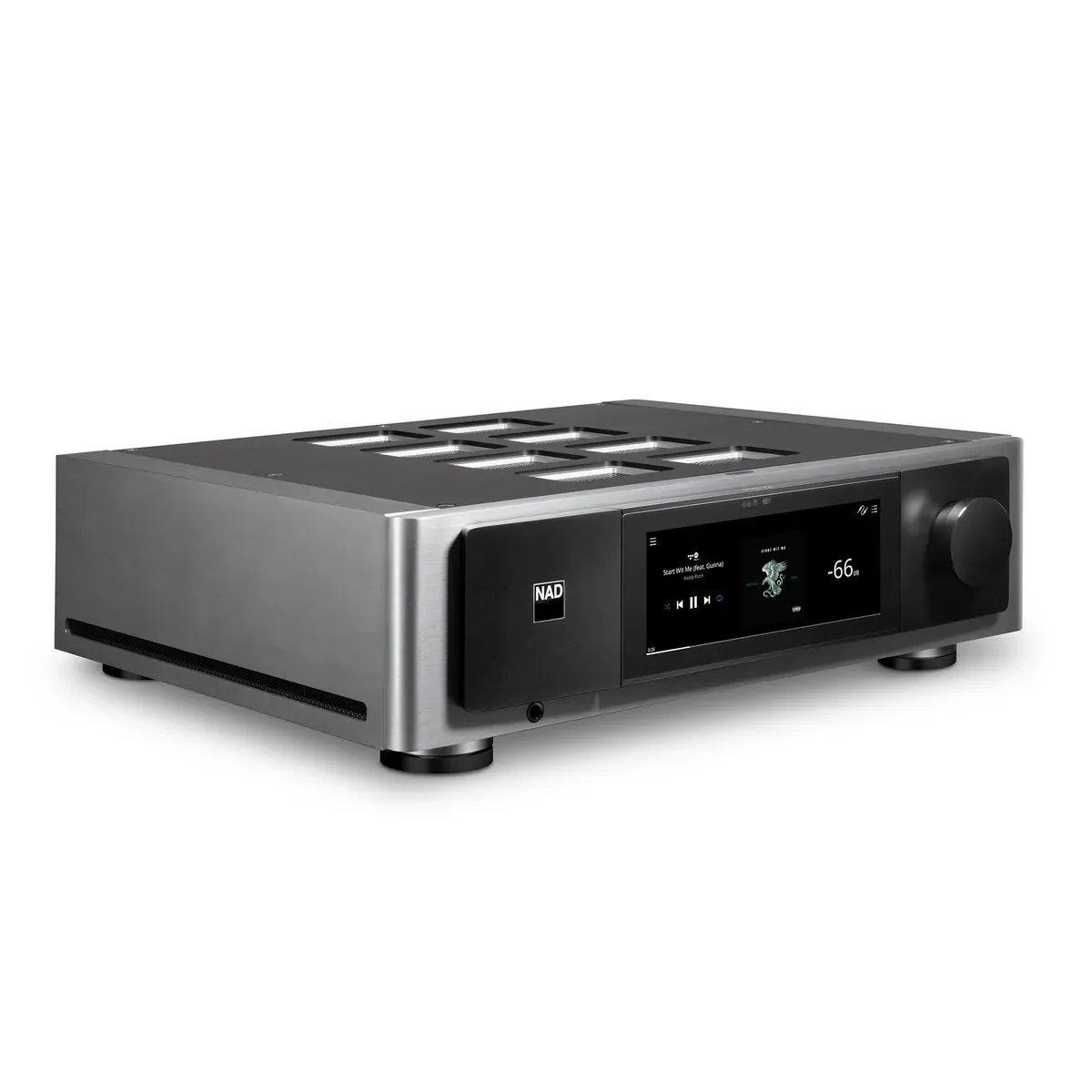
NAD M33 V2
Integrated amplifiers
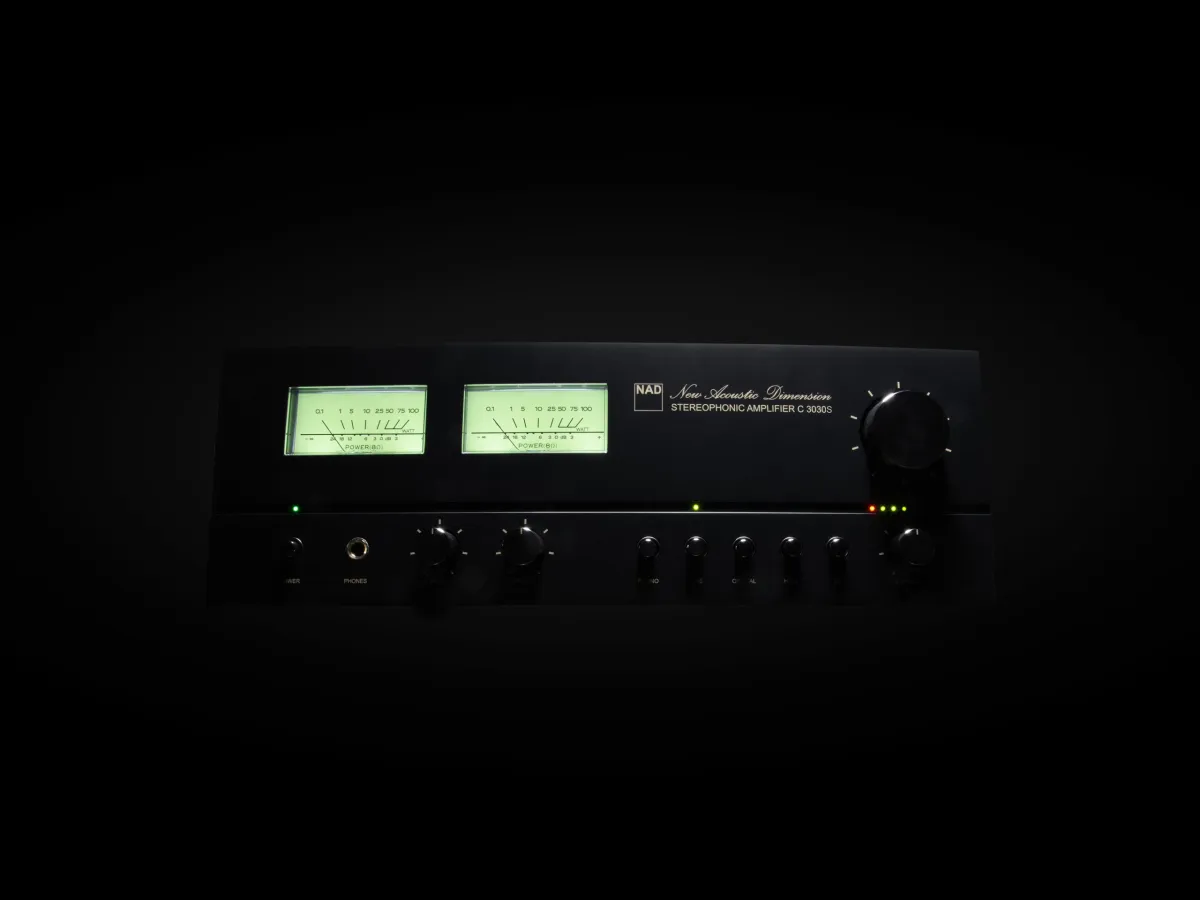
NAD C 3030S
Integrated amplifiers
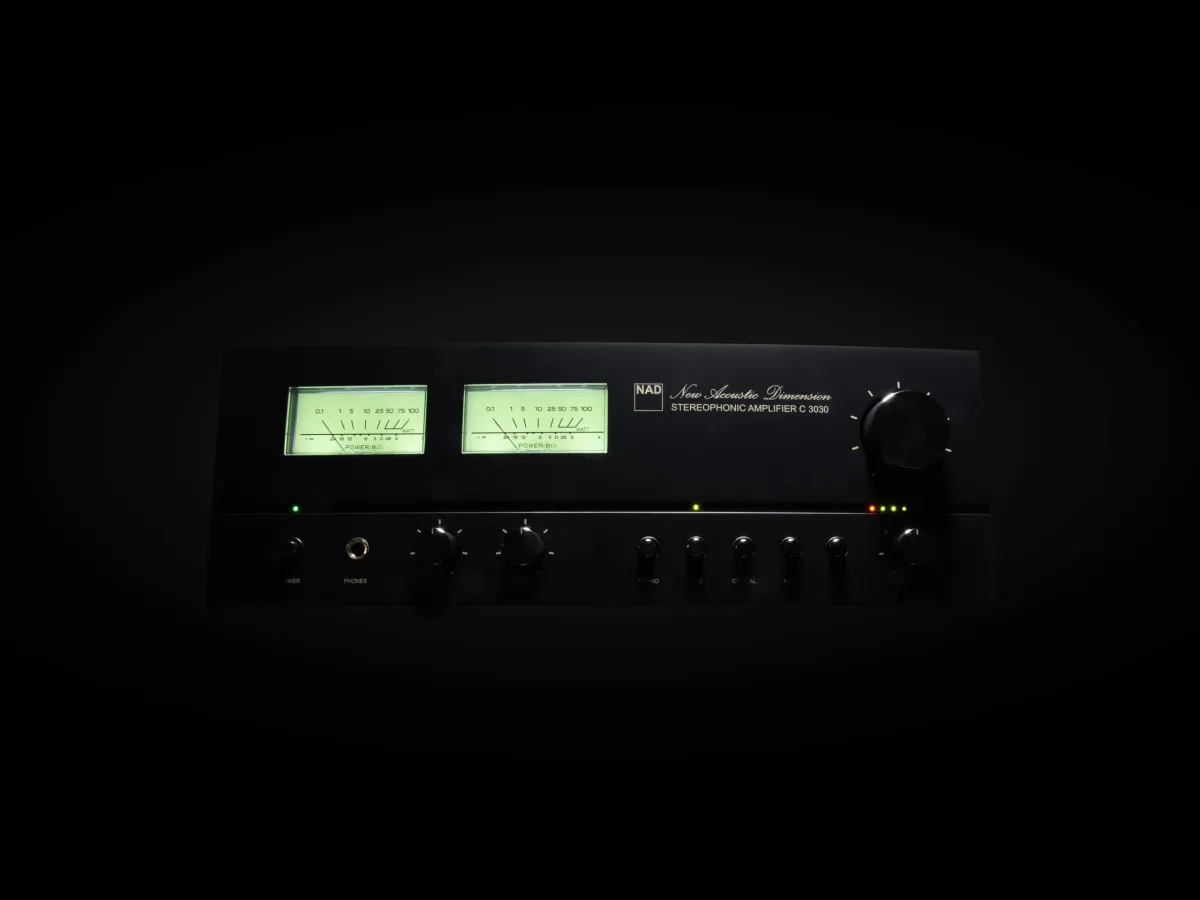
NAD C 3030

Integrated amplifiers
NAD CI 720 V2

Integrated amplifiers
NAD C 368