

PC & Server - Hifiverse Audiogeräte-Katalog
A music server stores a digital library and runs the software that catalogues it and sends tracks to a streamer, DAC or network endpoint. This subcategory covers purpose-built audio appliances and computers configured for playback, from compact fanless boxes to multi-bay units for large collections. Network players without storage sit under streamers. Many servers here run Roon Core, which recommends an Intel Core i3 class processor or better with an SSD for its database.
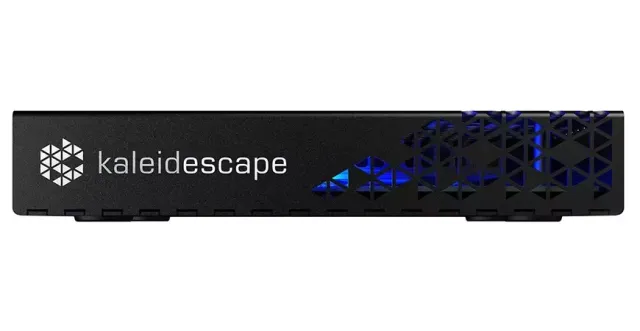
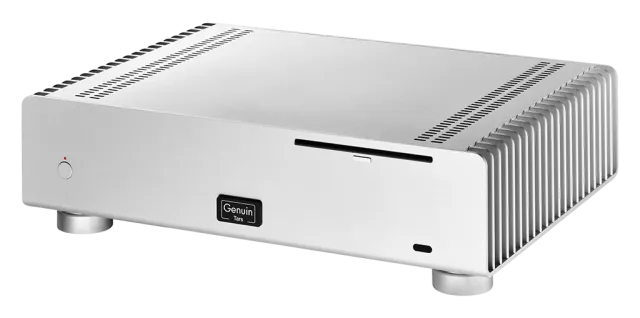
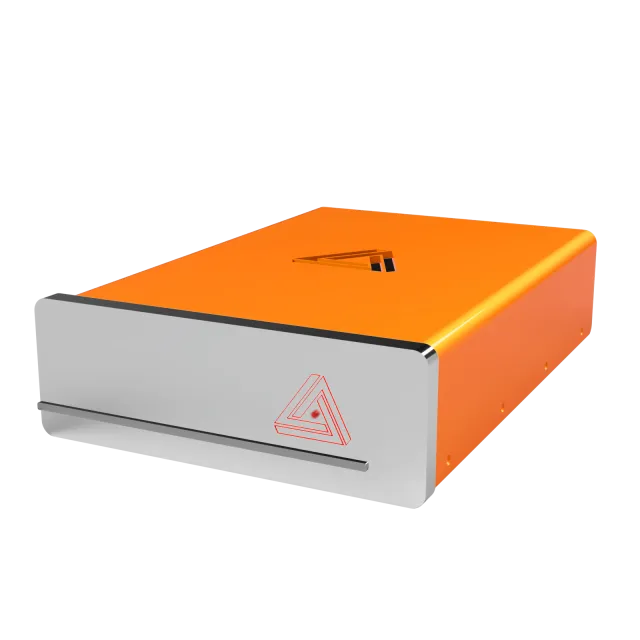
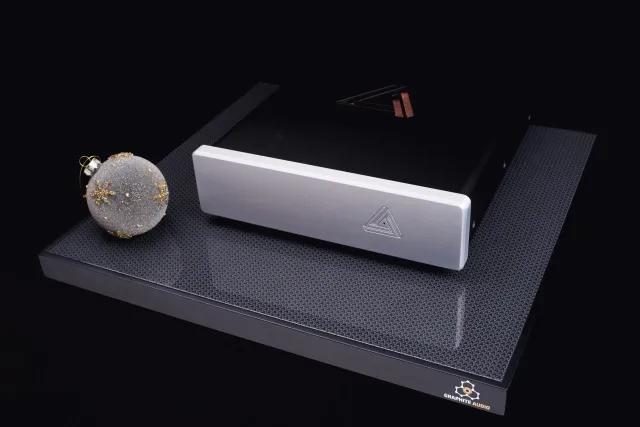




How to choose a music server
Match the processor to your software. A Roon Core or a server running DSP and upsampling needs far more processing than an endpoint that only receives a finished stream and passes it on, so check which role the unit is built for. Next, size the storage. A single internal SSD suits a modest collection, while multi-bay chassis with RAID protect a large library against a single drive failure. Then decide on outputs. Some servers only stream over the network, while others add a USB audio output to drive a DAC directly or a CD drive for ripping discs to the library. Finally, consider placement. Fanless units with passive cooling can sit in the listening room, while servers with fans and spinning hard drives are better kept in a cupboard or another room.
Key specs that matter
CPU class and RAM set how large a library the server can manage and whether it can run DSP without dropouts, with 8 GB of RAM a common baseline for Roon Core. Storage type and capacity range from a single SSD of 1 to 4 TB to several HDD bays totalling tens of terabytes. Network connectivity is usually Gigabit Ethernet. Cooling method shows whether the unit runs without fan noise.
Price ranges & what you get
A buyer with a modest library or an endpoint in mind can stay below USD 1,000, where low-power processors, small SSDs or external USB storage and passive cooling are the norm. Between USD 1,500 and 5,000, servers add faster processors, internal SSD and HDD bays and CD ripping drives. Above USD 5,000, expect linear power supplies, galvanic isolation between network and audio sections and multi-bay RAID storage.
Related subcategories & reading
A server needs a playback device downstream, so browse streamers for network endpoints and DACs for direct USB connection. For spinning discs, see CD / SACD players and transports. Library software and storage are covered in our sources articles.