All


Magnepan
Website:https://magnepan.com/
Est. year: 1969
Location: USA
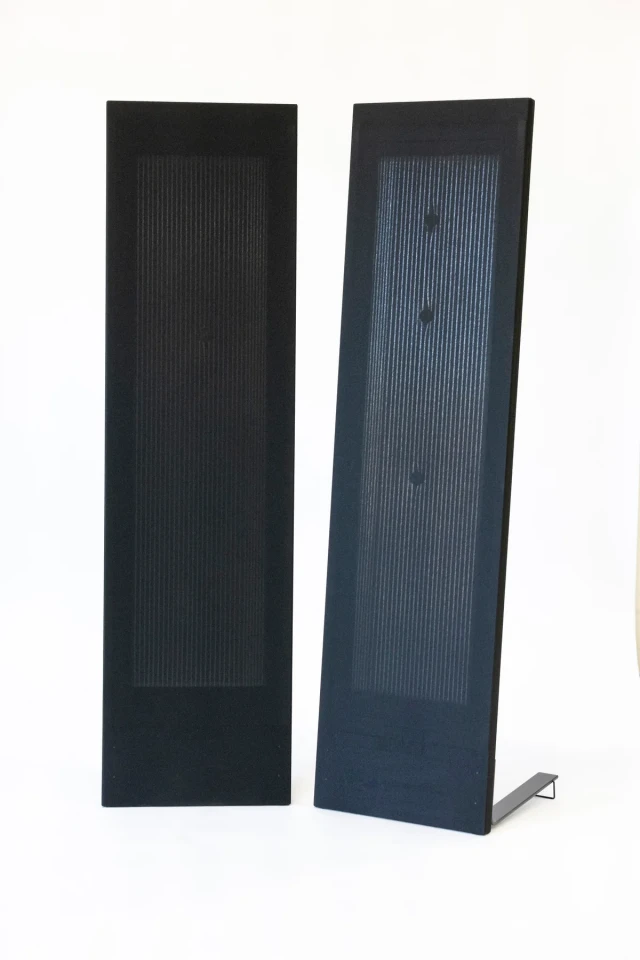
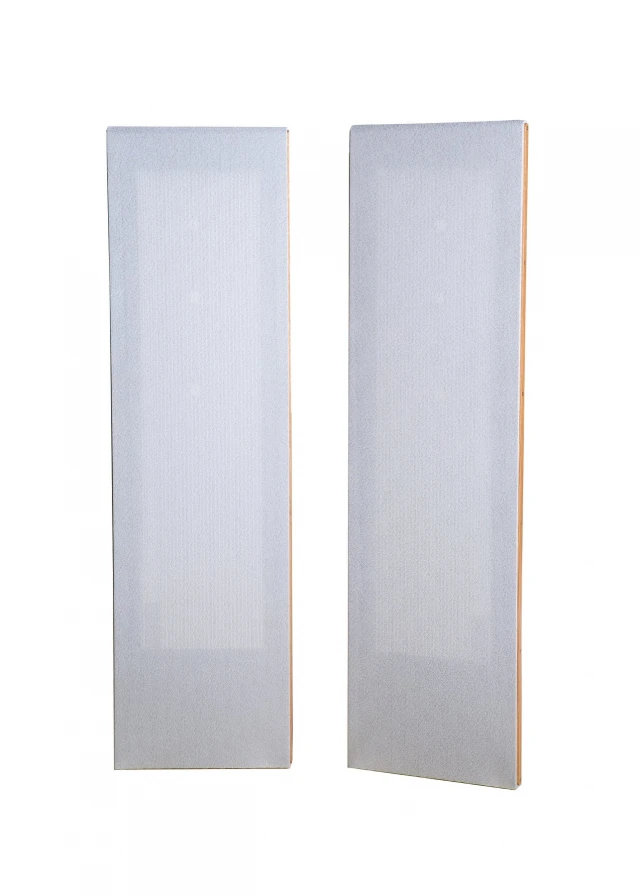
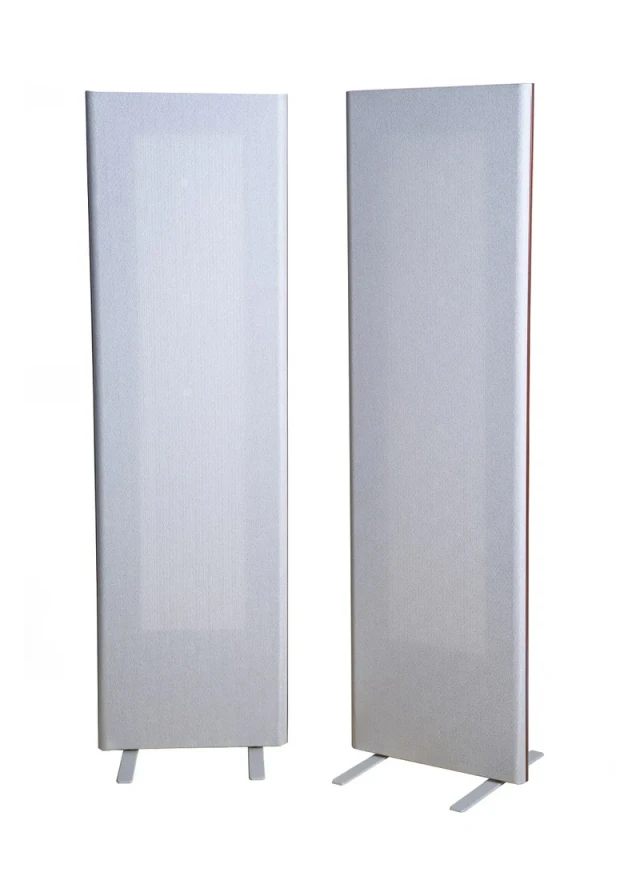
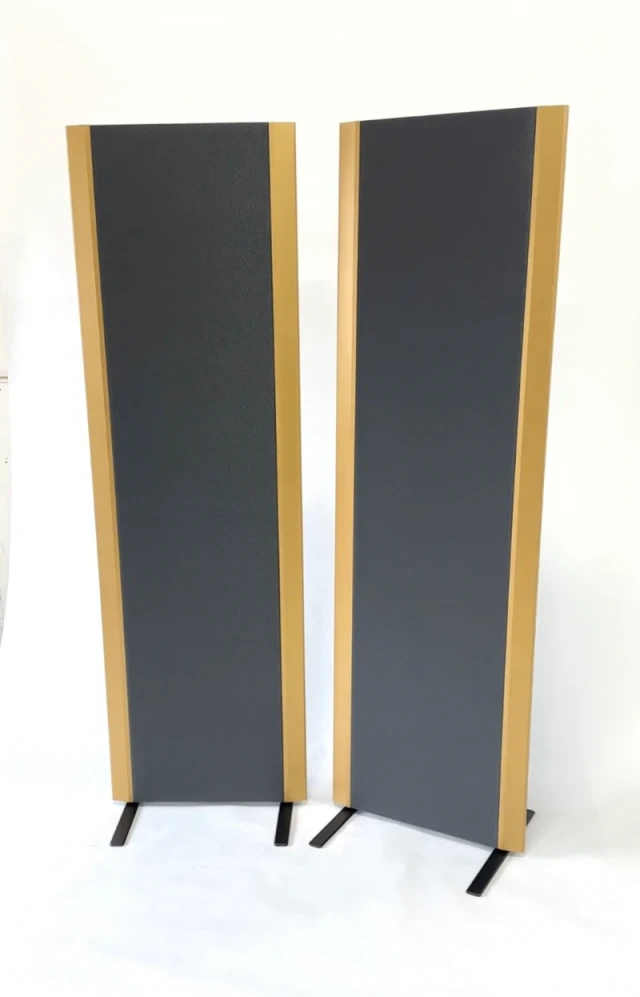
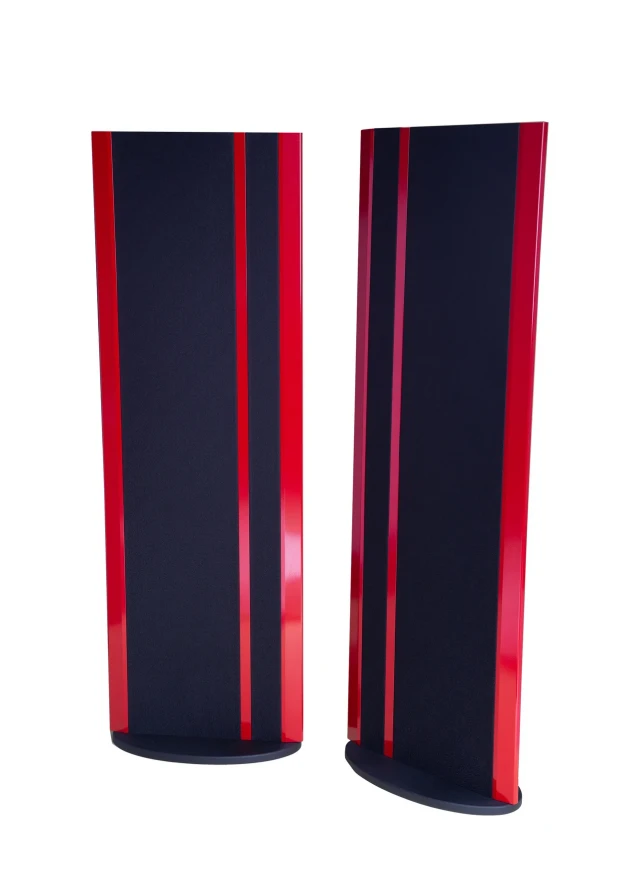
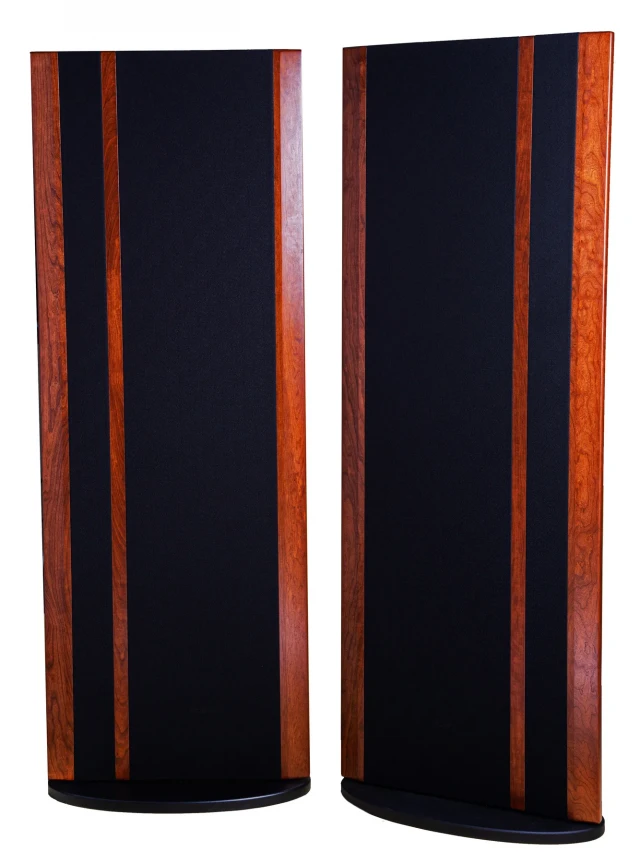
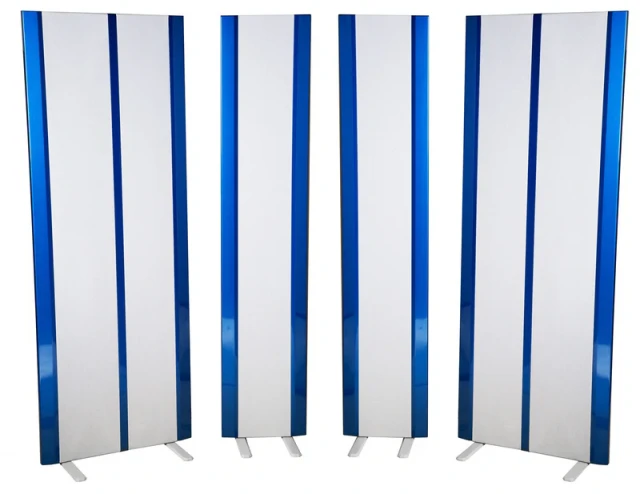
Magnepan is a loudspeaker manufacturer from the United States, started in 1969 by engineer Jim Winey and based in White Bear Lake, Minnesota. Its speakers, sold under the Magneplanar name and nicknamed Maggies by owners, avoid cones and domes entirely. Each panel uses thin conductive wires or foil strips bonded to a Mylar sheet that hangs in the field of permanent magnets. The company has stayed with this flat-panel approach for more than five decades and remains privately held.
Range & what it's known for
The current range climbs in clear steps. The LRS+ is the entry panel at about USD 1,000. Above it sits the numbered series, from the .7 through the 1.7 to the 3.7, roughly USD 2,000 to USD 13,000 depending on model and revision. At the top are the large 20.7 and 30.7 systems, listed at about USD 23,000 to USD 55,000. Every model is a dipole, radiating from both the front and the back of the panel. Because the driving force is spread across the whole diaphragm rather than applied at one voice coil, distortion is kept low without a heavy cone to control.
Who owns it and where it's made
Magnepan is a private company with no outside parent group. Jim Winey started it in 1969, and design and production have stayed at the White Bear Lake headquarters in Minnesota ever since. The brand has never licensed its panel technology to other makers or moved assembly abroad, so every Magneplanar model is built in the same American facility that develops it.
The lineup in this catalog
Loudspeakers only. Prices span roughly 1,000 dollars for the LRS+ to well over 15,000 dollars at the top of the listed range.
Who it's for
Magnepan fits buyers who have space to place a tall panel well away from the rear wall, since a dipole needs breathing room behind it. The LRS+ is the usual starting panel for a modest space or a first system, the .7 and 1.7 suit a typical living space of around 20 m2, and the 3.7 and the 20.7 or 30.7 systems serve big listening spaces and owners prepared for a big, power-hungry load. Choose it if a flat, cone-free panel is the priority.
Range & what it's known for
The current range climbs in clear steps. The LRS+ is the entry panel at about USD 1,000. Above it sits the numbered series, from the .7 through the 1.7 to the 3.7, roughly USD 2,000 to USD 13,000 depending on model and revision. At the top are the large 20.7 and 30.7 systems, listed at about USD 23,000 to USD 55,000. Every model is a dipole, radiating from both the front and the back of the panel. Because the driving force is spread across the whole diaphragm rather than applied at one voice coil, distortion is kept low without a heavy cone to control.
Who owns it and where it's made
Magnepan is a private company with no outside parent group. Jim Winey started it in 1969, and design and production have stayed at the White Bear Lake headquarters in Minnesota ever since. The brand has never licensed its panel technology to other makers or moved assembly abroad, so every Magneplanar model is built in the same American facility that develops it.
The lineup in this catalog
Loudspeakers only. Prices span roughly 1,000 dollars for the LRS+ to well over 15,000 dollars at the top of the listed range.
Who it's for
Magnepan fits buyers who have space to place a tall panel well away from the rear wall, since a dipole needs breathing room behind it. The LRS+ is the usual starting panel for a modest space or a first system, the .7 and 1.7 suit a typical living space of around 20 m2, and the 3.7 and the 20.7 or 30.7 systems serve big listening spaces and owners prepared for a big, power-hungry load. Choose it if a flat, cone-free panel is the priority.