All


AURALiC
Website:https://us.auralic.com/
Est. year: 2009
AURALiC is a Chinese maker of network streamers, DACs and digital audio processors, founded in Beijing in 2008 by Xuanqian Wang and Yuan Wang. The two met at a music festival in Berlin and set up the company to build digital source components. It has since grown from a DAC specialist into a streaming-focused firm that writes its own playback software, and its products are now exported to dozens of countries.
Range & what it's known for
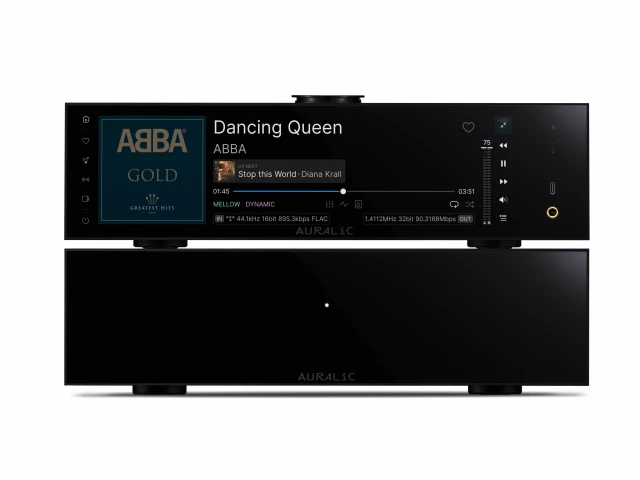
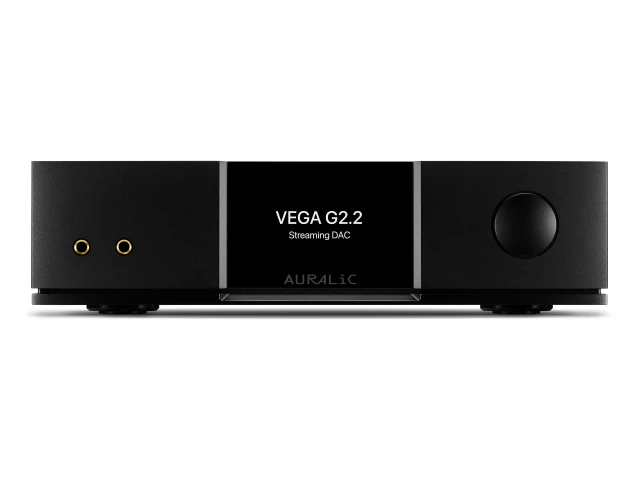
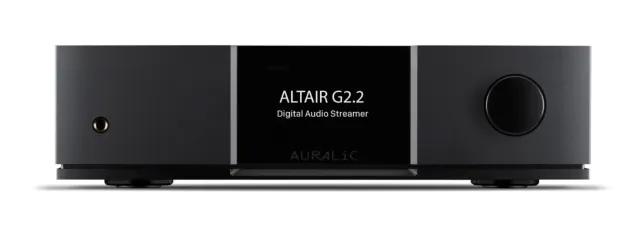
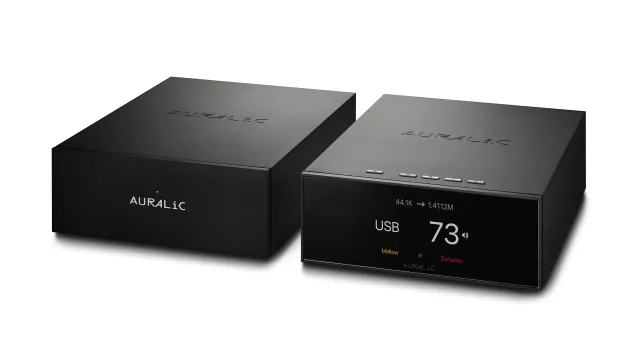
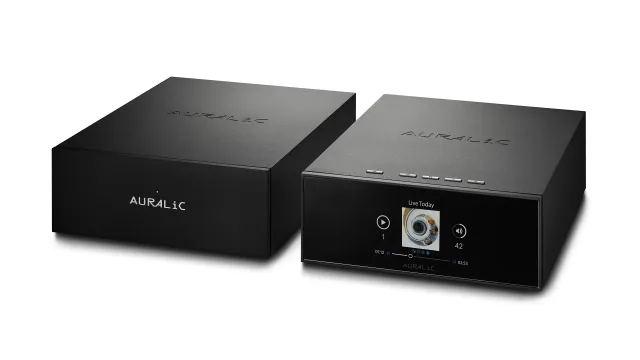
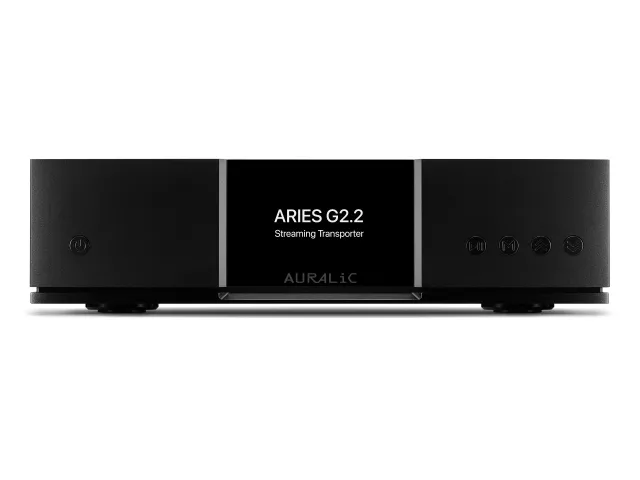
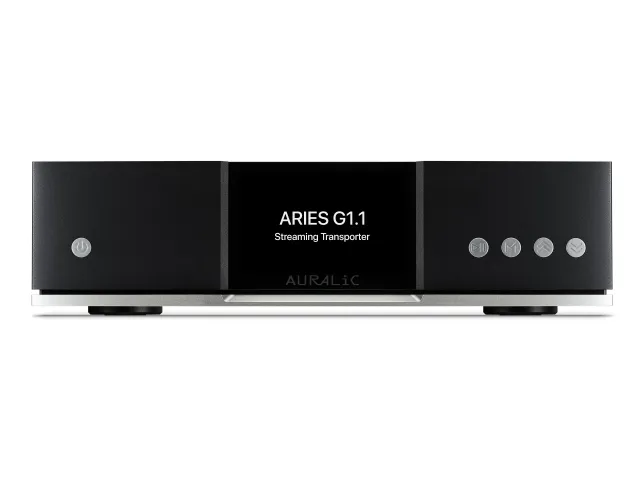
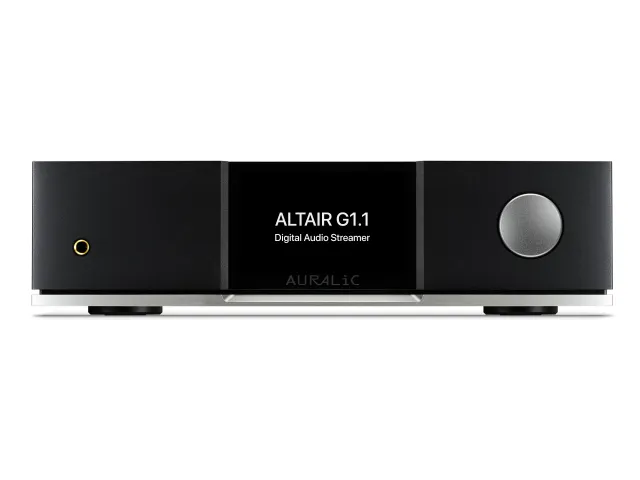
The range is organised into generations, with the G1, G2 and G3 tiers introduced from 2017 onwards. The ARIES is the streaming transport, the VEGA the DAC and digital preamplifier, the ALTAIR an all-in-one streaming DAC, and the SIRIUS and LEO add upsampling and master-clock duties for larger systems, while POLARIS combines streaming with amplification. All network players run on AURALiC's own Tesla hardware platform and the Lightning DS software, which handles library playback, streaming services, multi-room use and remote control from a tablet app. Many units can also act as a Roon Ready endpoint Newer generations add galvanic isolation between network and audio sections and internal storage bays, so a single player can hold a local music library without a separate server.
Who owns it and where it's made
AURALiC remains independent and in the hands of its two co-founders, with Xuanqian Wang, trained in electronics and recording engineering, heading the technical side. Engineering and production are based in Beijing, and the company also runs an office in Portland, Oregon, with support staff across North America and Europe.
The lineup in this catalog
Streamers, DACs and preamplifiers (9), priced from about USD 1,000 to more than USD 10,000.
Who it's for
AURALiC suits listeners whose music lives on a server or a streaming service and who want one maker to supply both the hardware and the control software. An ALTAIR or a G1 model gives a single-box start, and owners can later split duties into a G2 or G3 ARIES transport and VEGA DAC, then add a SIRIUS or LEO clock unit as the system grows.