

CD/SACD-проигрыватели и транспорты — Audio Note CDT Four
Описание, изображения, технические характеристики и спецификации
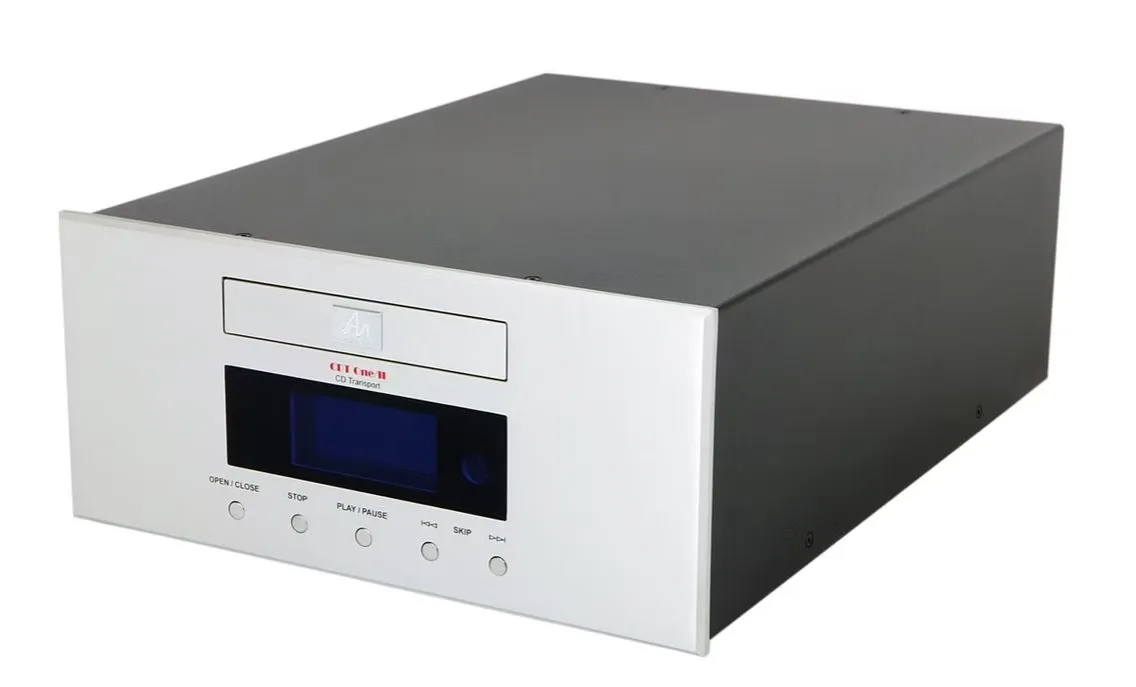
Audio Note CDT Four
Источник изображения — © Audio Note
Key specs that matter
A Philips CD Pro2LF, modified by Audio Note and loaded from the top, reads the disc with a three-beam 780 nm semiconductor laser. Two digital outputs are fitted, a 75 ohm RCA coaxial socket and a 110 ohm balanced XLR socket for AES/EBU, both transformer-coupled. Maximum power consumption is 50 W. The transport is 142 mm high, 445 mm wide and 428 mm deep, and it weighs 13 kg. It accepts 100-120 V or 220-240 V mains at 50 or 60 Hz, and the fascia is available in anodised aluminium or black acrylic. The running-in period is about 200 hours.
Engineering and use context
Three transformers and choke coupling form the supply. A choke placed in the supply filter resists changes in current and suppresses ripple and noise more strongly than capacitors alone, which gives the laser servo, the digital circuits and the output stage a cleaner feed. Separate transformers keep the current demands of the motor and servo apart from the circuits that shape the digital signal. From the mechanism to the digital output stage, the data travels over Audio Note's SOGON cable. At the output, a silver-wired transformer couples the signal to the sockets. Transformer coupling isolates the transport from the connected DAC galvanically, so ground noise from one unit does not pass to the other through the digital cable, and it matches the output to the impedances of the two interfaces. Loading from the top means the disc sits on the spindle without a motorised drawer. The CDT Four shares its full-width case with the CDT Five, whereas the lower levels use a narrower chassis, and its weight sits between the two neighbouring models.
Pairing
Audio Note pairs each transport with a converter of the same level, which makes the DAC Four the natural partner. The XLR output connects to converters with an AES/EBU input, while the RCA socket feeds converters that accept coaxial digital signals.
Alternatives
The Audio Note CDT Three offers the same Pro2LF mechanism and dual outputs in the narrower and lighter case.
Характеристики
Название модели
CDT Four
Транспорт
Да
Проигрыватель
Н/д
Поддержка SACD
Н/д
Чип преобразования
N/A
Нижняя граница частотного диапазона +/- 3дБ (CD) (Hz)
N/A
Верхняя граница частотного диапазона +/- 3дБ (CD) (Hz)
N/A
Нижняя граница частотного диапазона +/- 3дБ (SACD) (Hz)
N/A
Верхняя граница частотного диапазона +/- 3дБ (SACD) (Hz)
N/A
Усиление (dBu)
N/A
Уровень выхода (балансный) (V)
N/A
Уровень выхода (небалансный) (V)
N/A
Входное сопротивление (балансное) (Ω)
N/A
Входное сопротивление (небалансное) (Ω)
N/A
Выходное сопротивление (балансное) (Ω)
N/A
Выходное сопротивление (небалансное) (Ω)
N/A
Динамический диапазон (CD) (dB)
N/A
Динамический диапазон (SACD) (dB)
N/A
Отношение сигнал/шум (CD) (dB)
N/A
Отношение сигнал/шум (SACD) (dB)
N/A
Коэффициент гармонических искажений + шум (CD) (%)
N/A
Коэффициент гармонических искажений + шум (SACD) (%)
N/A
Габариты (mm)
142 x 445 x 428
Вес (kg)
13
Официальная ссылка
Другие компоненты
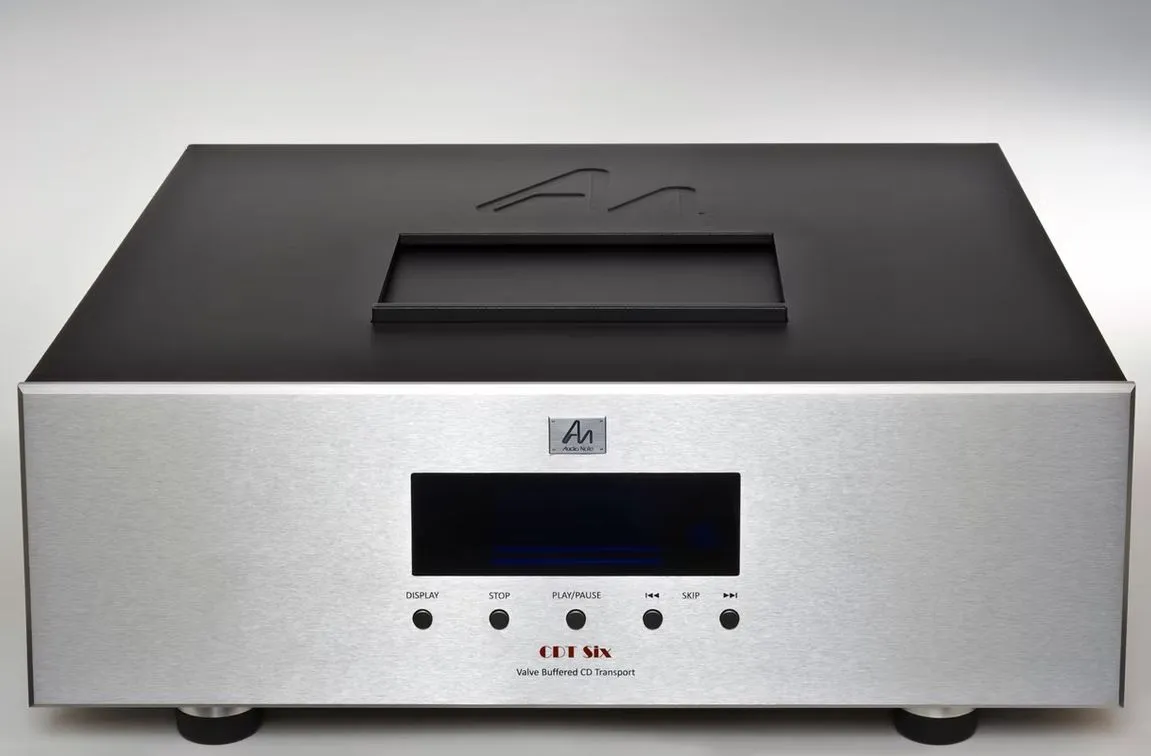
CD/SACD-проигрыватели и транспорты
Audio Note CDT Six/Force
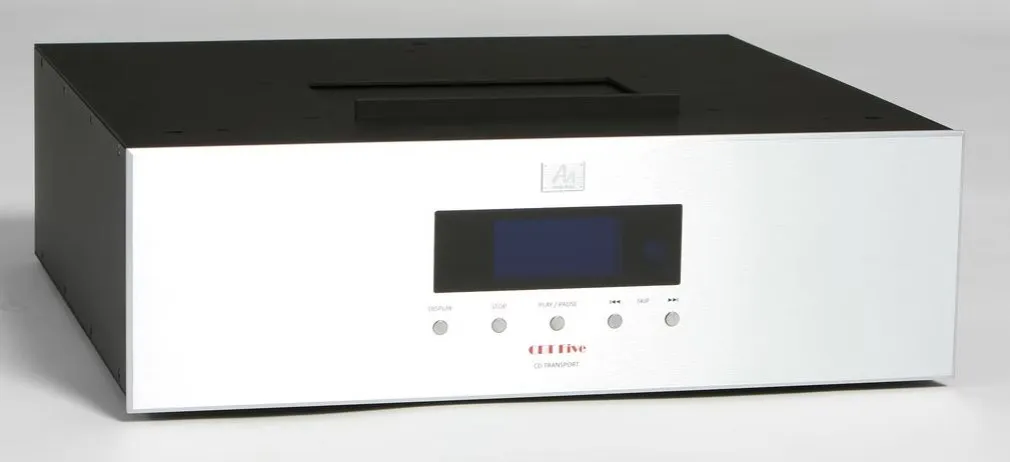
CD/SACD-проигрыватели и транспорты
Audio Note CDT Five
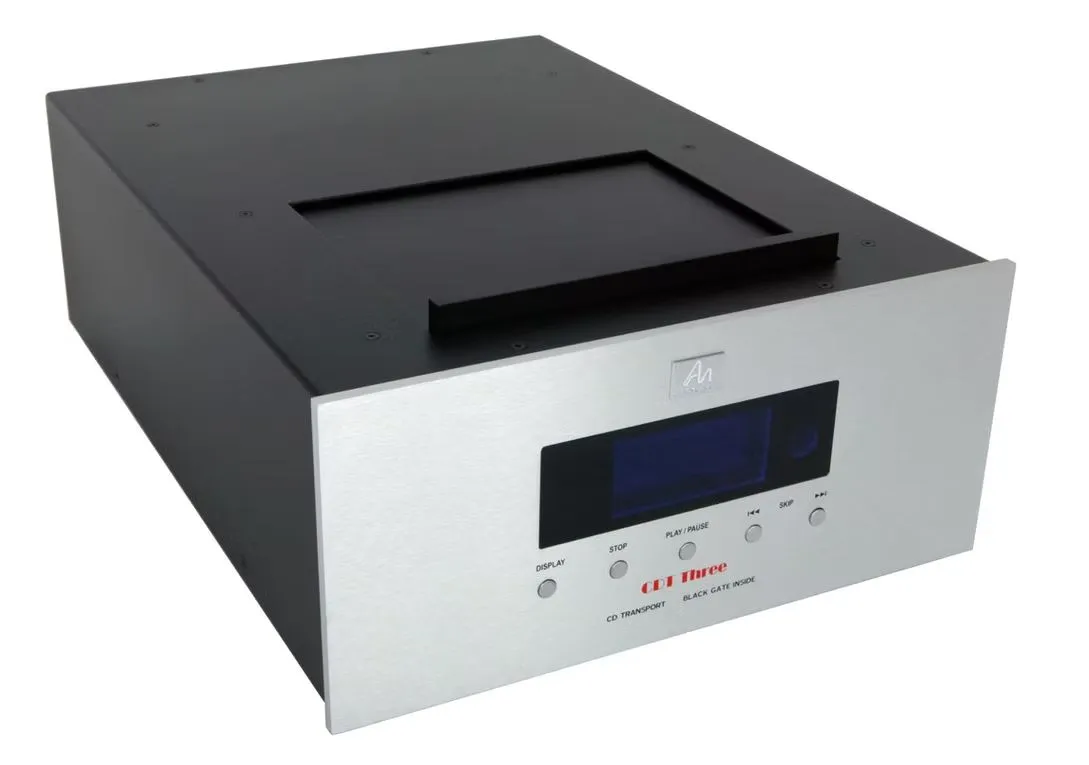
CD/SACD-проигрыватели и транспорты
Audio Note CDT Three
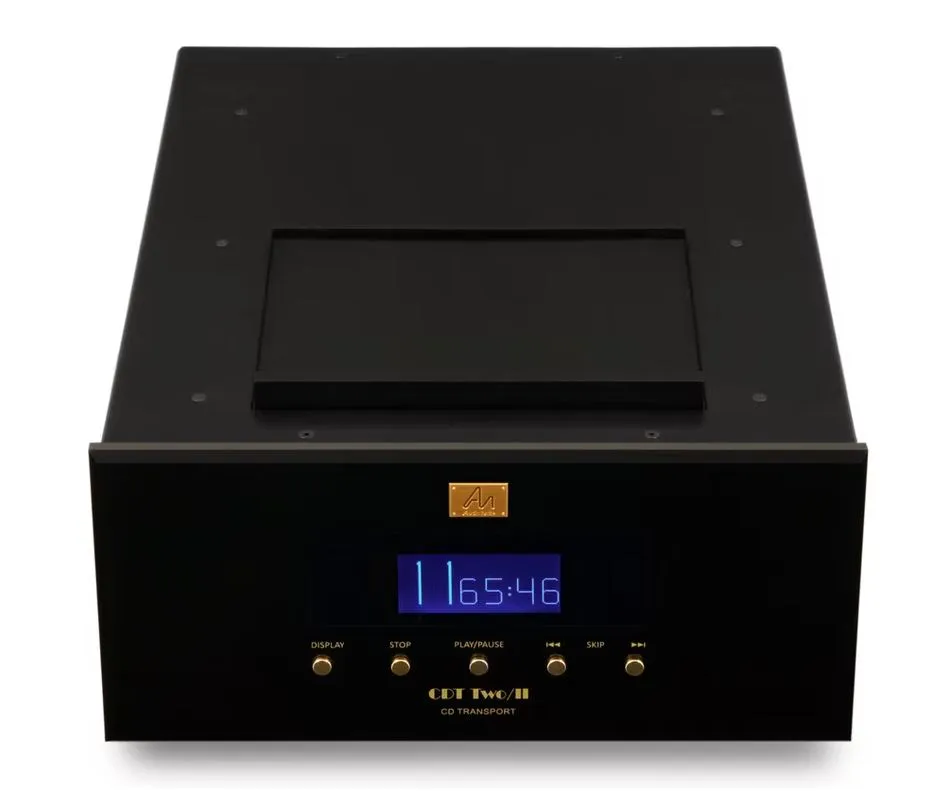
CD/SACD-проигрыватели и транспорты
Audio Note CDT Two/II
CD/SACD-проигрыватели и транспорты
Audio Note CDT One/II