
Все

Напольная акустика — Lockwood Loudspeakers Lockwood Major
Описание, изображения, технические характеристики и спецификации
Lockwood Loudspeakers Lockwood Major
Источник изображения — © Lockwood Loudspeakers
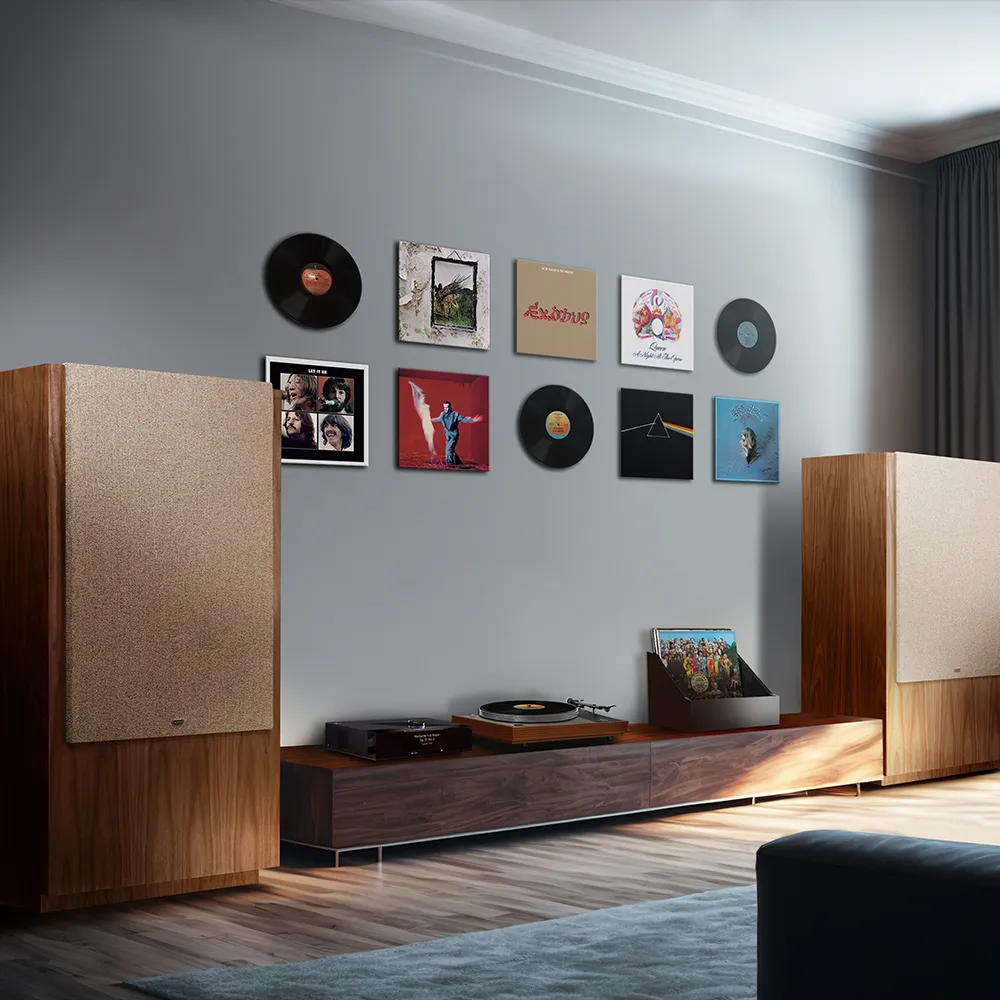
Lockwood Loudspeakers first introduced the Major floorstander in the 1960s, and the model is still built today. It became a studio reference standard, with Abbey Road, Olympic, Chappell and Trident recording studios all fitting Lockwood Majors to their control rooms, and it was used in recording and mixing work for the Beatles, David Bowie and Queen. The company itself was started in the 1930s by carpenter Stanley Timms and developed its monitors with BBC engineers after the war. The Major is priced at GBP 34,999 per pair.
Key specs that matter
One 15-inch (385 mm) Lockwood Green HPD/SL point-source driver reproduces the whole band, with a coaxial layout that places both sections on a single axis. The quoted range runs from 22 Hz to 20 kHz. Sensitivity is 95 dB, measured with 2.83 V rms at 1 m, into a nominal 8 ohm impedance. Lockwood rates it at 85 W for integrated material. Width is 710 mm, depth 448 mm and height 1135 mm, and each cabinet weighs about 54 kg.
Engineering and use context
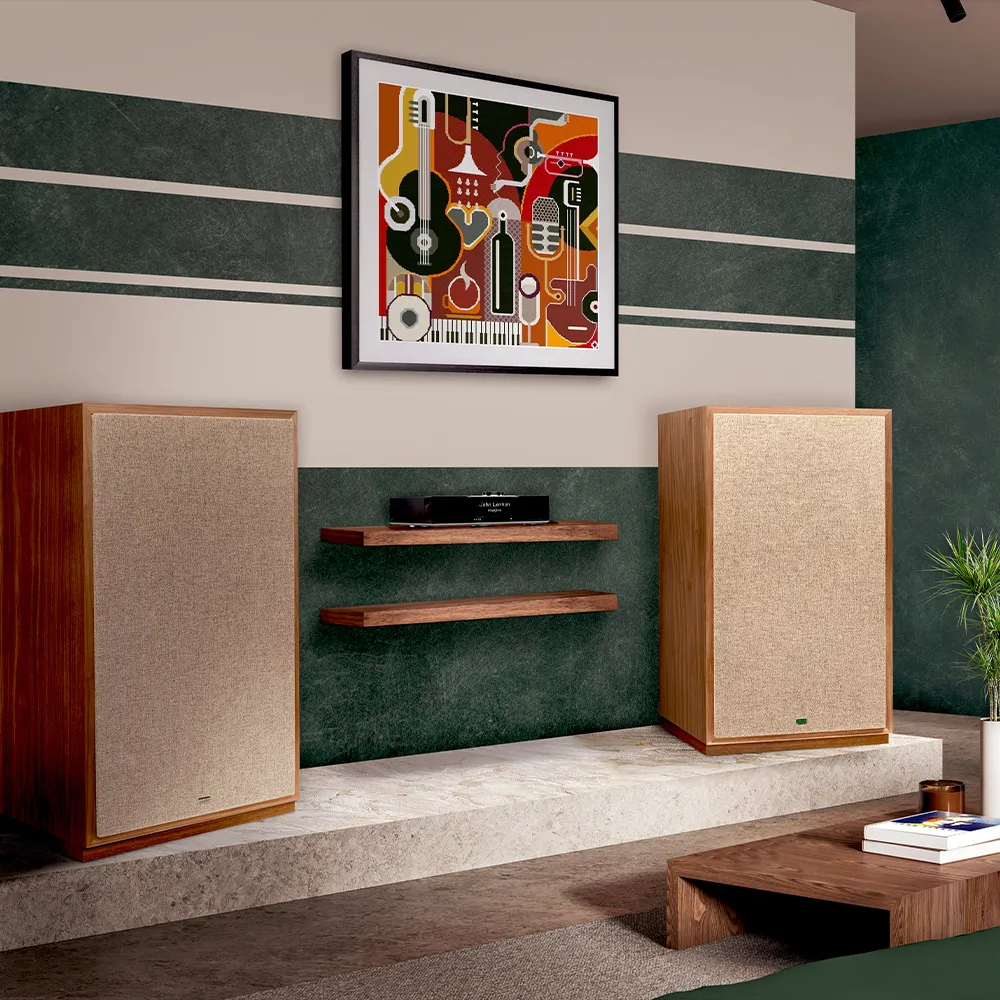
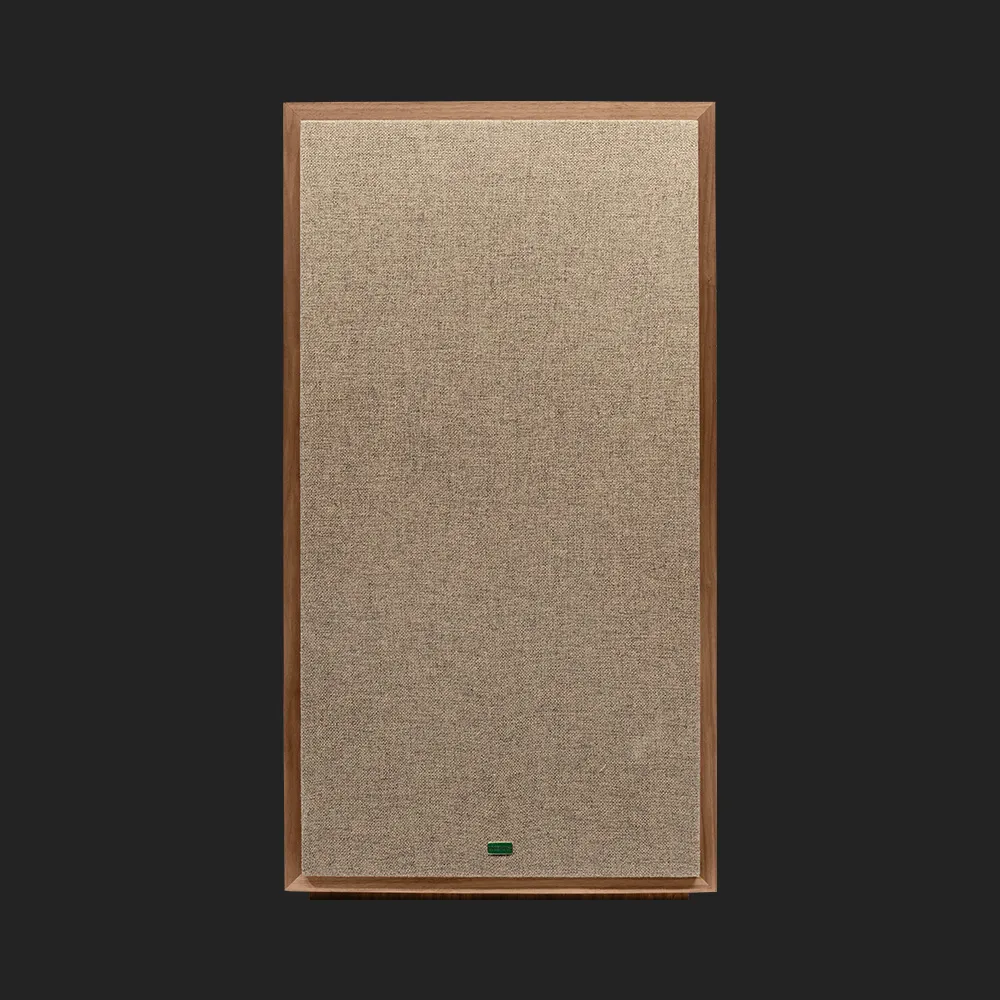
Lockwood builds the Major as a free-standing vented enclosure, made from 18 mm birchwood and dressed in walnut veneer, while other finishes can be specified to order. Crossover duties fall to the Lockwood A Series network, assembled by hand from audiophile-grade parts. Lockwood states that all its speakers are hand-built in the UK from original 1960s designs, with oxygen-free copper cabling inside and low-loss binding posts outside. Beyond the Major, the brand lists the Universal Stanley 1 and 2, the Mini Major, the Mini, the Academy 1 and II and the LE1, so buyers can move from a 10-inch stand-mount through 12-inch and 15-inch floorstanders. The Major shares its driver size with the LE1 but uses a wider and taller cabinet, and its quoted bass extension goes 1 Hz lower. Visits to the production facility can be arranged.
Pairing
Its efficiency lets even a small amplifier work comfortably, and any partner should respect the rated power handling. A single coaxial unit per side means one set of binding posts and a single cable per speaker. The brand also notes that its studio monitors served Pink Floyd, the Rolling Stones and Led Zeppelin, and were standard equipment in the Rolling Stones' mobile studio.
Alternatives
The Lockwood LE1 uses the same 15-inch Green HPD/SL unit inside a smaller vented cabinet.
Key specs that matter
One 15-inch (385 mm) Lockwood Green HPD/SL point-source driver reproduces the whole band, with a coaxial layout that places both sections on a single axis. The quoted range runs from 22 Hz to 20 kHz. Sensitivity is 95 dB, measured with 2.83 V rms at 1 m, into a nominal 8 ohm impedance. Lockwood rates it at 85 W for integrated material. Width is 710 mm, depth 448 mm and height 1135 mm, and each cabinet weighs about 54 kg.
Engineering and use context
Lockwood builds the Major as a free-standing vented enclosure, made from 18 mm birchwood and dressed in walnut veneer, while other finishes can be specified to order. Crossover duties fall to the Lockwood A Series network, assembled by hand from audiophile-grade parts. Lockwood states that all its speakers are hand-built in the UK from original 1960s designs, with oxygen-free copper cabling inside and low-loss binding posts outside. Beyond the Major, the brand lists the Universal Stanley 1 and 2, the Mini Major, the Mini, the Academy 1 and II and the LE1, so buyers can move from a 10-inch stand-mount through 12-inch and 15-inch floorstanders. The Major shares its driver size with the LE1 but uses a wider and taller cabinet, and its quoted bass extension goes 1 Hz lower. Visits to the production facility can be arranged.
Pairing
Its efficiency lets even a small amplifier work comfortably, and any partner should respect the rated power handling. A single coaxial unit per side means one set of binding posts and a single cable per speaker. The brand also notes that its studio monitors served Pink Floyd, the Rolling Stones and Led Zeppelin, and were standard equipment in the Rolling Stones' mobile studio.
Alternatives
The Lockwood LE1 uses the same 15-inch Green HPD/SL unit inside a smaller vented cabinet.
Характеристики
Название модели
Lockwood Major
Нижняя граница частотного диапазона +/- 3дБ (Hz)
22
Верхняя граница частотного диапазона +/- 3дБ (Hz)
20 000
Чувствительность (dB at 1 W/1m)
95
Импеданс (Ohms)
8
Требования к усилителю мощности (W)
85
Наличие встроенного усилителя
Н/д
Мощность встроенного усилителя (W)
N/A
Размер (sm)
71.0 x 44.8 x 113.5
Вес (kg)
54
Официальная ссылка
Другие компоненты
Напольная акустика
Lockwood Loudspeakers Lockwood LE1
Напольная акустика
Lockwood Loudspeakers Lockwood Academy II
Напольная акустика
Lockwood Loudspeakers Lockwood Academy 1