
Все

Полочная акустика — Wharfedale DENTON 80
Описание, изображения, технические характеристики и спецификации
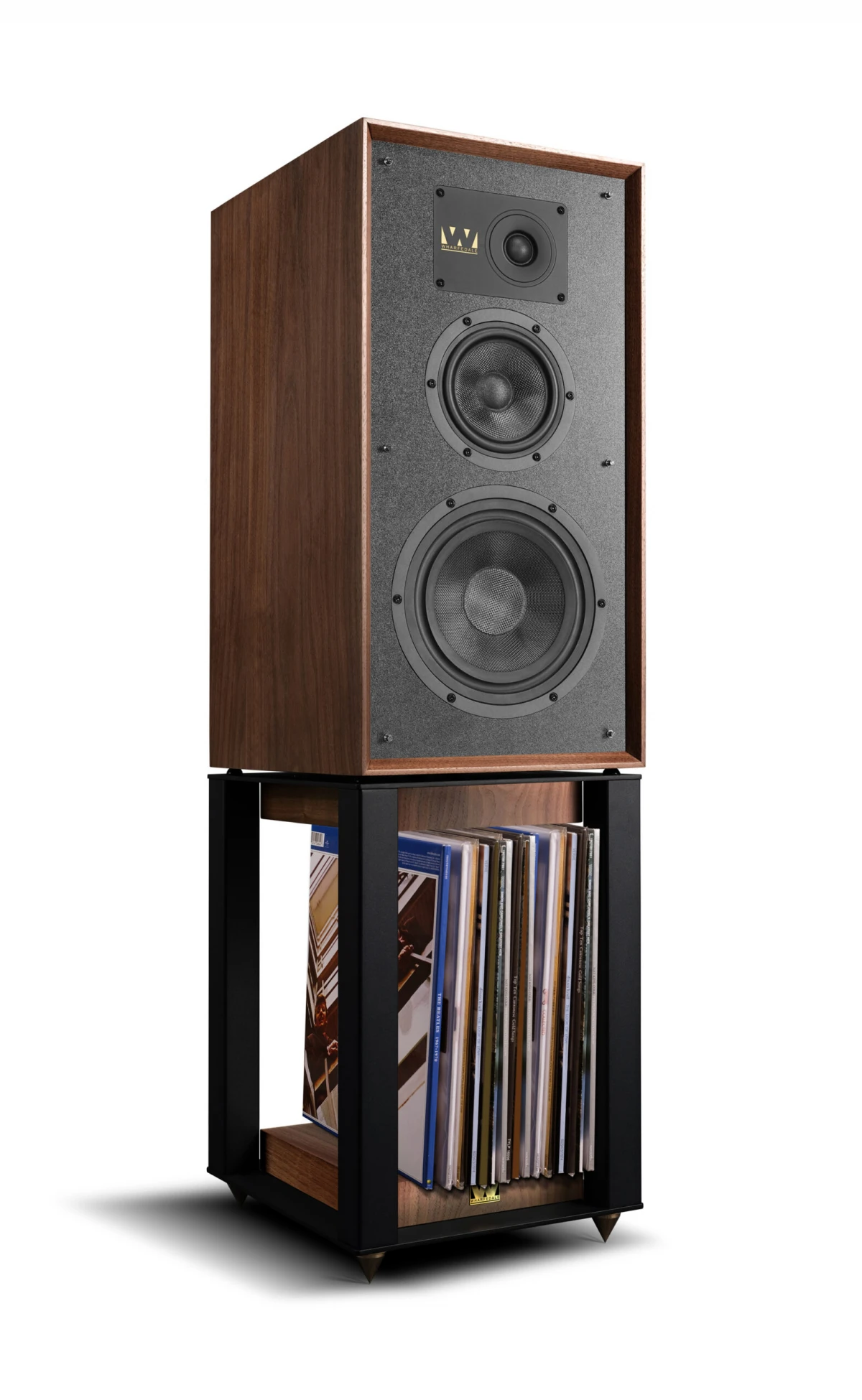
Wharfedale DENTON 80
Источник изображения — © Wharfedale
The Denton 80 is a bookshelf speaker from Wharfedale's heritage-styled Denton range, built with a conventional wooden-finish aesthetic and moderate sensitivity. Wharfedale's Denton range draws on classic mid-century speaker design cues, offering a different aesthetic proposition from the brand's more contemporary Diamond or high-efficiency Aura ranges.
Position in line
It sits in Wharfedale's Denton lineup near the Aston range in general positioning, distinguished by retro styling rather than the high-sensitivity approach of the Aura models. This clear differentiation between Wharfedale's various ranges by both aesthetic and engineering philosophy suggests the brand deliberately targets distinct buyer preferences rather than offering a single unified design approach across its whole catalogue.
Key specs that matter
Rated response is 44 Hz to 24 kHz. Sensitivity is 86 dB into 6 ohms with a 20-100 W window, a more conventional bookshelf sensitivity than the Aura 1's 103 dB figure. At 32.0 x 20.0 x 27.5 cm and 7.9 kg it is a compact, classically proportioned cabinet, different in visual character from the Aura range's more contemporary presentation.
Sound and use context
Expect a warmer, more conventionally voiced bookshelf character than Wharfedale's high-sensitivity Aura range, in keeping with the Denton line's heritage styling- buyers drawn to a classic aesthetic should find the tonal character here matches that retro sensibility rather than chasing the Aura range's efficiency-focused engineering.
Pairing
The 86 dB sensitivity and 6 ohm load suit a modest to mid-power integrated amplifier without special current requirements, an easy amplifier match for a first serious system.
Alternatives
Wharfedale's Aura 1 offers a very different, high-sensitivity approach at a similar cabinet size, for a listener prioritising amplifier ease over classic styling, worth comparing directly if aesthetic preference is secondary to engineering approach. Wharfedale broader Denton and Aston ranges share a similar heritage aesthetic, and a dealer visit comparing several models within that styling family helps clarify subtle differences in cabinet size and driver technology across the lineup. A solid, non-resonant stand pays real dividends for imaging even with a compact, classically styled cabinet like this one. Overall this remains a sensible choice for a buyer prioritising classic aesthetic alongside solid, dependable performance.
Position in line
It sits in Wharfedale's Denton lineup near the Aston range in general positioning, distinguished by retro styling rather than the high-sensitivity approach of the Aura models. This clear differentiation between Wharfedale's various ranges by both aesthetic and engineering philosophy suggests the brand deliberately targets distinct buyer preferences rather than offering a single unified design approach across its whole catalogue.
Key specs that matter
Rated response is 44 Hz to 24 kHz. Sensitivity is 86 dB into 6 ohms with a 20-100 W window, a more conventional bookshelf sensitivity than the Aura 1's 103 dB figure. At 32.0 x 20.0 x 27.5 cm and 7.9 kg it is a compact, classically proportioned cabinet, different in visual character from the Aura range's more contemporary presentation.
Sound and use context
Expect a warmer, more conventionally voiced bookshelf character than Wharfedale's high-sensitivity Aura range, in keeping with the Denton line's heritage styling- buyers drawn to a classic aesthetic should find the tonal character here matches that retro sensibility rather than chasing the Aura range's efficiency-focused engineering.
Pairing
The 86 dB sensitivity and 6 ohm load suit a modest to mid-power integrated amplifier without special current requirements, an easy amplifier match for a first serious system.
Alternatives
Wharfedale's Aura 1 offers a very different, high-sensitivity approach at a similar cabinet size, for a listener prioritising amplifier ease over classic styling, worth comparing directly if aesthetic preference is secondary to engineering approach. Wharfedale broader Denton and Aston ranges share a similar heritage aesthetic, and a dealer visit comparing several models within that styling family helps clarify subtle differences in cabinet size and driver technology across the lineup. A solid, non-resonant stand pays real dividends for imaging even with a compact, classically styled cabinet like this one. Overall this remains a sensible choice for a buyer prioritising classic aesthetic alongside solid, dependable performance.
Характеристики
Название модели
DENTON 80
Нижняя граница частотного диапазона +/- 3дБ (Hz)
44
Верхняя граница частотного диапазона +/- 3дБ (Hz)
24 000
Чувствительность (dB at 1 W/1m)
86
Импеданс (Ohms)
6
Требования к усилителю мощности (W)
20 - 100
Наличие встроенного усилителя
Н/д
Мощность встроенного усилителя (W)
N/A
Размер (sm)
32.0 × 20.0 × 27.5
Вес (kg)
7.9
Официальная ссылка
Другие компоненты
Полочная акустика
Wharfedale DIAMOND 12.2i
Полочная акустика
Wharfedale DIAMOND 12.1i
Полочная акустика
Wharfedale DIAMOND 12.0i
Полочная акустика
Wharfedale EVO 5.2
Полочная акустика
Wharfedale SUPER LINTON