

Предусилители — Audio Research LS-2
Описание, изображения, технические характеристики и спецификации
Audio Research LS-2
Источник изображения — © Audio Research
Key specs that matter
Two balanced XLR inputs and four single-ended RCA inputs are provided, along with one balanced XLR and one RCA output. Input impedance is 25 kohm on both connection types, and output impedance on the balanced side is 10 ohm. Frequency response is down 0.3 dB at 10 Hz and at 40 kHz at rated output into a 100 kohm balanced load. THD plus noise stays below 0.03% at 2 V RMS balanced output, measured from 10 Hz to 80 kHz. Noise is -77 dBV at the maximum volume setting of 99, and crosstalk is -76 dB. Both outputs invert polarity. The chassis measures 48.26 x 17.78 x 44.45 cm and weighs 15 kg net, and maximum power draw is 35 W with 4.4 W in standby.
Engineering and use context
The two triodes are arranged as cathode followers to achieve a low output impedance, and a constant current cathode bias keeps the valves working in their optimal range. The front panel carries two large rotary knobs, one for input selection and one for volume, next to a touchscreen display that shows the volume level and allows input naming, brightness adjustment and colour selection. Two internal sockets accept optional boards. The phono module offers fixed loading of 47 kohm for moving magnet and 500 ohm for moving coil, with gain of 42 dB and 62 dB respectively. The DAC module adds one optical, one coaxial and one USB-B input. A USB-A port on the back handles firmware updates and service access, and the mains inlet is a standard IEC socket with fuse and on/off switch. A metal remote control is supplied, and buyers can order the unit in black or in silver. The warranty runs three years on the electronics and 90 days on the valves.
Pairing
The balanced XLR output and its low output impedance make a balanced connection to the power amplifier the natural choice. For North America the unit runs from 120 V AC at 60 Hz. Sources beyond line level are covered in the same box through the optional phono and DAC boards, so a turntable or a digital transport can connect without an extra component.
Alternatives
The Audio Research LS-3 uses the same chassis size and input layout but replaces the valves with a solid-state JFET and bipolar transistor circuit.
Характеристики
Название модели
LS-2
Аналоговые входы (балансные)
2
Аналоговые входы (небалансные)
4
Аналоговые выходы (балансные)
1
Аналоговые выходы (небалансные)
1
Усиление (dBu)
12
Чувствительность входа (mV)
N/A
Выходное напряжение (V)
N/A
Входное сопротивление (балансное) (Ω)
25000
Входное сопротивление (небалансное) (Ω)
25000
Выходное сопротивление (балансное) (Ω)
10
Выходное сопротивление (небалансное) (Ω)
25
Максимальный уровень выхода (балансный) (dBu)
N/A
Максимальный уровень выхода (небалансный) (dBu)
N/A
Диапазон регулировки громкости (dBu)
N/A
Нижняя граница частотного диапазона +/- 3дБ (Hz)
0
Верхняя граница частотного диапазона +/- 3дБ (Hz)
40000
Отношение сигнал/шум (SNR, невзвешенное) (dB)
N/A
Коэффициент гармонических искажений + шум (THD+N) (%)
0.03
Габариты (mm)
482.6 x 177.8 x 444.5
Вес (kg)
21.8
Официальная ссылка
Связанные материалы
Другие компоненты
Предусилители
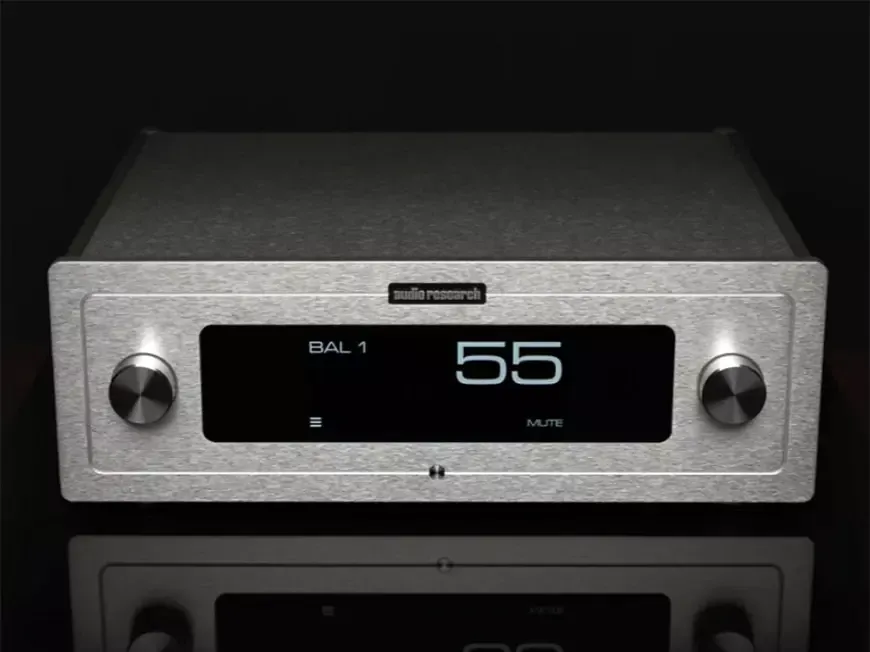
Audio Research LS-3
Предусилители
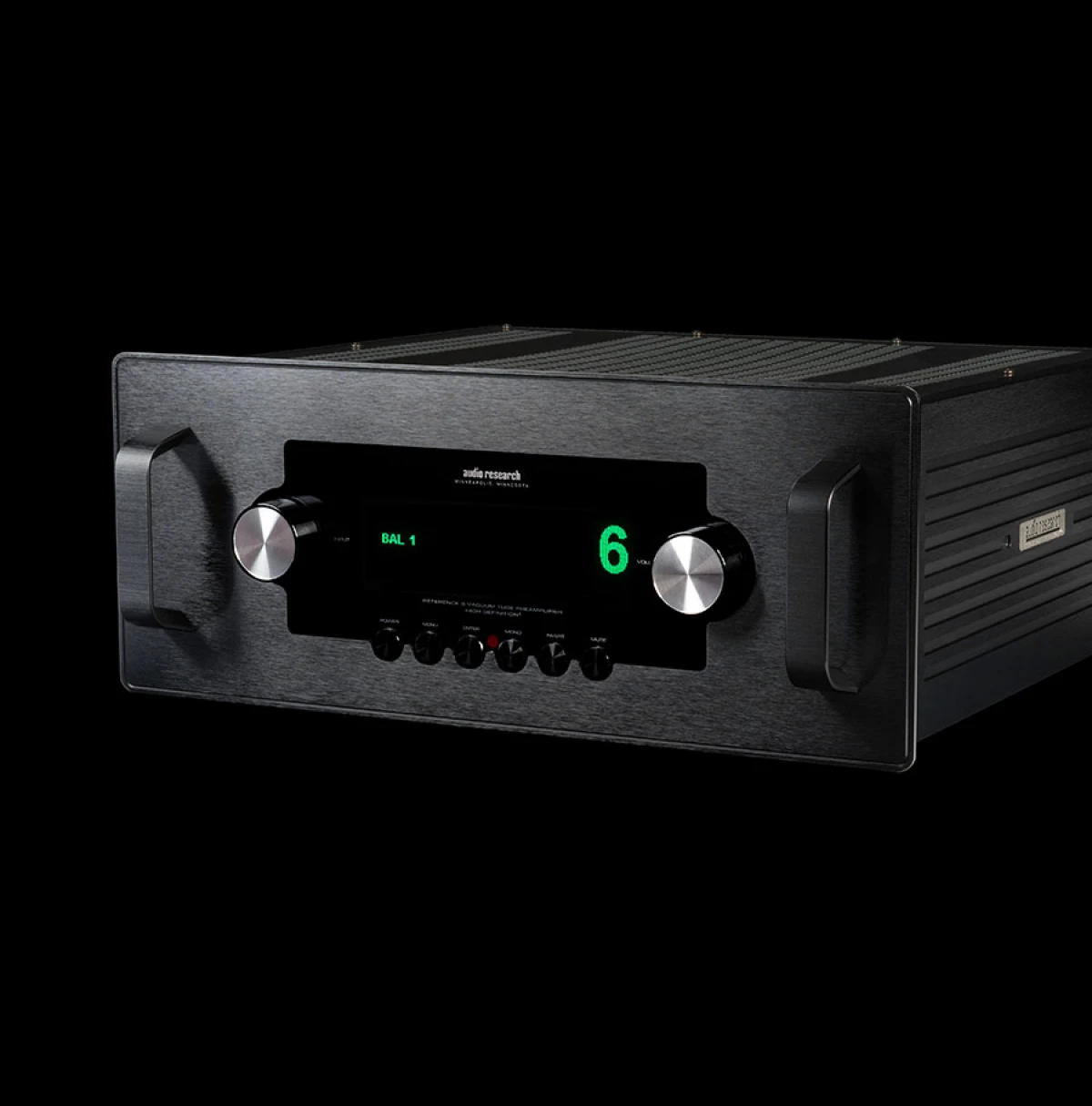
Audio Research Reference 6SE
Предусилители
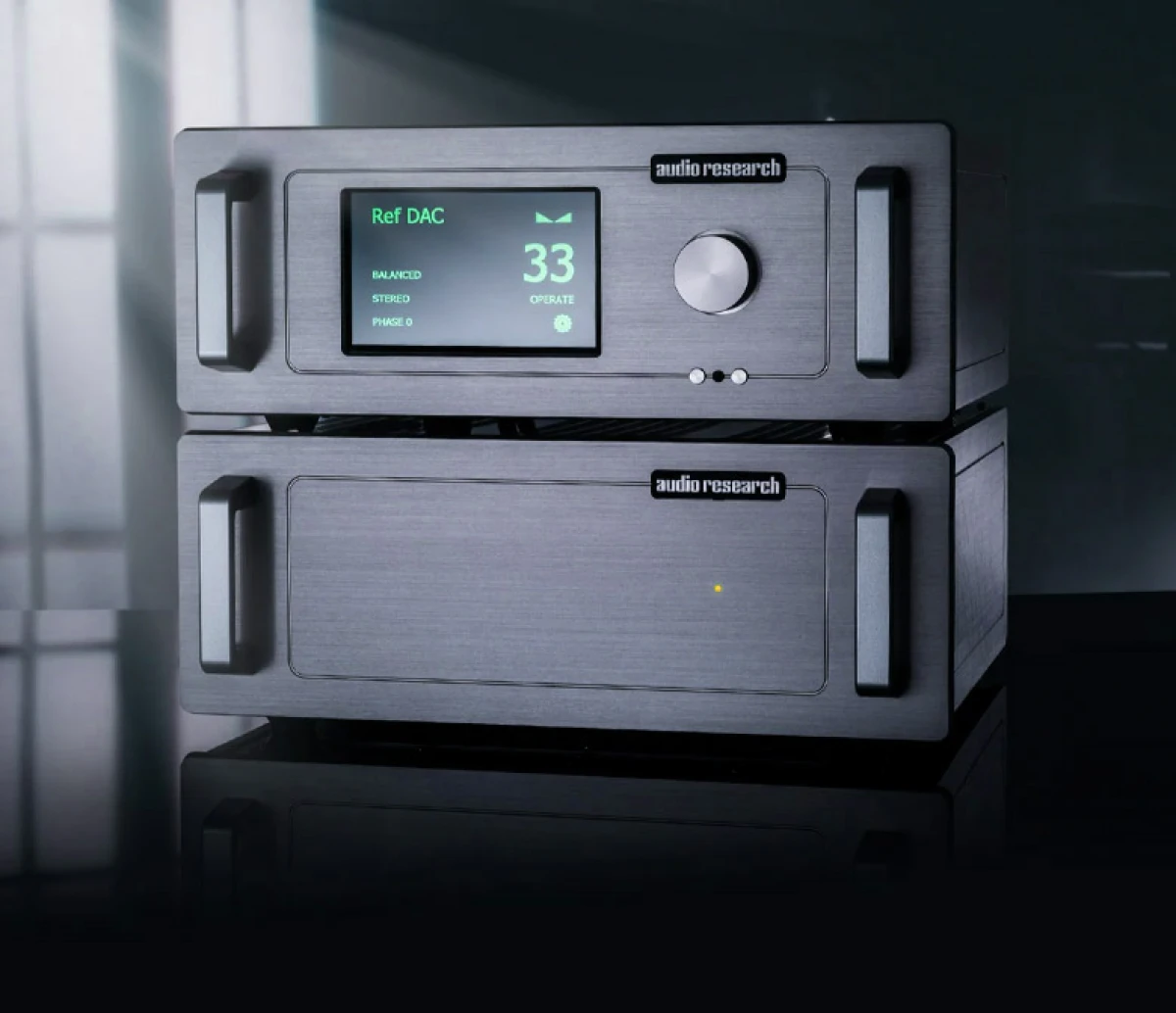
Audio Research Reference 10
Предусилители
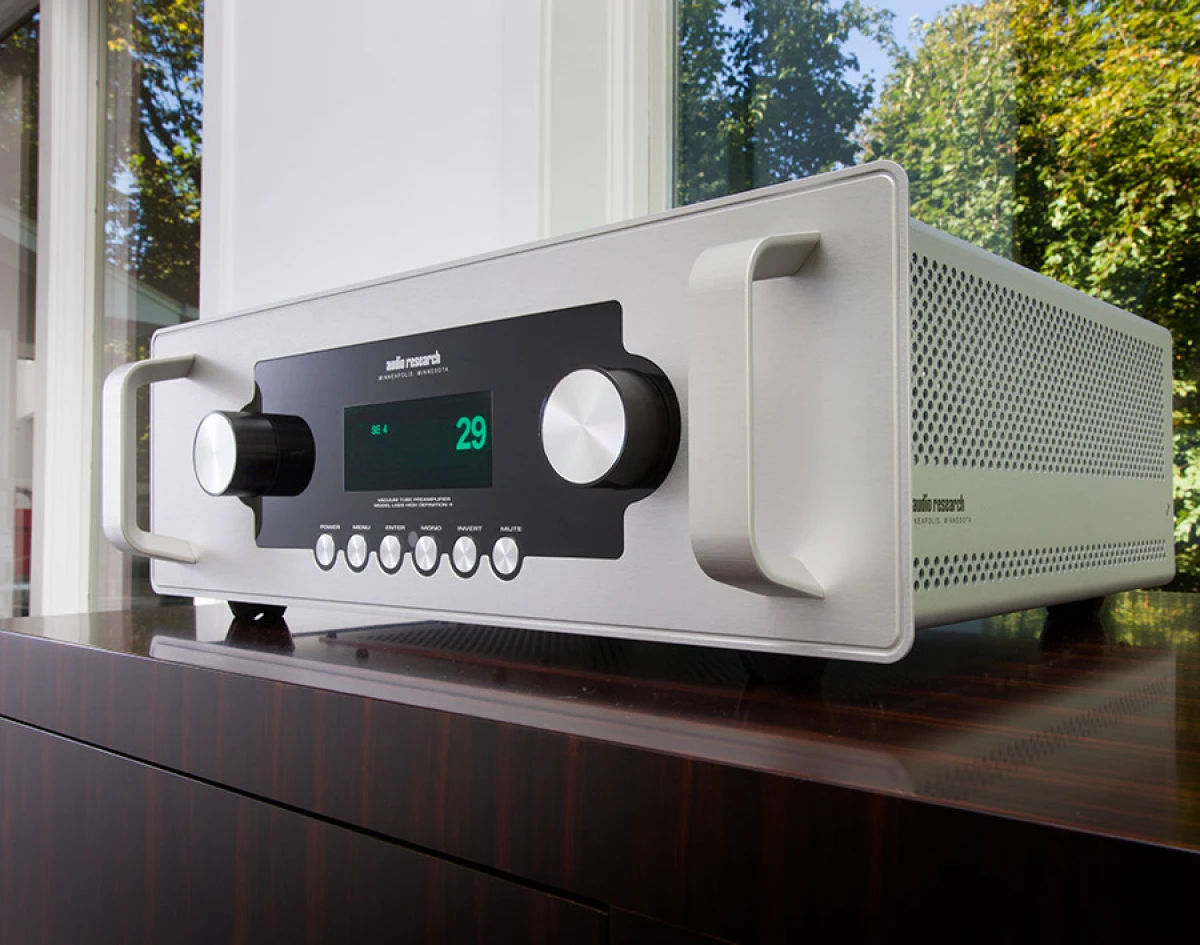
Audio Research LS28SE

Предусилители
Audio Research Reference 6SE Line-Stage