

Усилители мощности моно — MasterSound Booster
Описание, изображения, технические характеристики и спецификации
MasterSound Booster
Источник изображения — © MasterSound
Key specs that matter
Each Booster delivers 80 W in pentode mode or 40 W in triode mode, always in Class A. Two 6SN7 double triodes drive the four KT150 output valves. Each unit takes signal via RCA or balanced XLR, sensitivity is 1 V, and the output transformer handles speaker loads of 4 to 8 ohms. Frequency response is 12 Hz to 29 kHz within 0 dB. Power consumption per unit is 418 W, and each chassis measures 45 x 43 x 27 cm and weighs 32 kg.
Engineering and use context
Among the current MastersounD power amplifiers, the Booster is the only one built on beam valves, as the stereo and mono 845 and 300B models all use directly heated triodes. Switching the KT150 to triode connection halves the rated output. Its output transformer comes from the company's own workshop, hand-wound on a mechanical machine following a method started by Cesare Sanavio and developed by his son Luciano, who runs production. The wide bandwidth without global feedback depends on this transformer. Bias for the four KT150 is set automatically and remains adjustable. Before an amplifier leaves the factory, its valves are measured, the channels are aligned and the unit is burned in for at least 48 hours. The steel chassis uses natural wood trim finished by Italian craftsmen. Given the high power draw of each unit, a stereo pair gives off a lot of heat and needs two mains outlets, solid shelves and open space above the valves.
Pairing
The balanced XLR input lets the Booster be run from the MastersounD Phl 5 or Spettro preamplifiers, each of which provides a balanced output, a single-ended output and remote volume control. The monoblocks carry no volume control of their own, so a preamplifier is always required. In pentode mode the pair has more than enough reserve for loudspeakers of average sensitivity in rooms of 20 m2 and larger, where the lower-powered triode models in the range would run out of headroom. Triode mode suits more sensitive loudspeakers.
Alternatives
The MastersounD 845 Monoblock is a pure triode alternative with two parallel 845 valves and 50 W per unit.
Характеристики
Название модели
Booster
Чувствительность входа (mV)
N/A
Входное сопротивление (балансное) (Ω)
50 000
Входное сопротивление (небалансное) (Ω)
50 000
Выходное сопротивление (балансное) (Ω)
N/A
Выходное сопротивление (небалансное) (Ω)
N/A
Максимальный ток (A)
N/A
Выходная мощность (8Ω) (W)
80
Выходная мощность (4Ω) (W)
N/A
Усиление (dBu)
N/A
Нижняя граница частотного диапазона +/- 3дБ (Hz)
12
Верхняя граница частотного диапазона +/- 3дБ (Hz)
29 000
Отношение сигнал/шум (dB)
N/A
Коэффициент гармонических искажений + шум (0% обратной связи) (%)
N/A
Коэффициент гармонических искажений + шум (100% обратной связи) (%)
N/A
Максимальное энергопотребление (W)
N/A
Коэффициент демпфирования
N/A
Габариты (mm)
450 x 430 x 270
Вес (kg)
32
Официальная ссылка
Другие компоненты
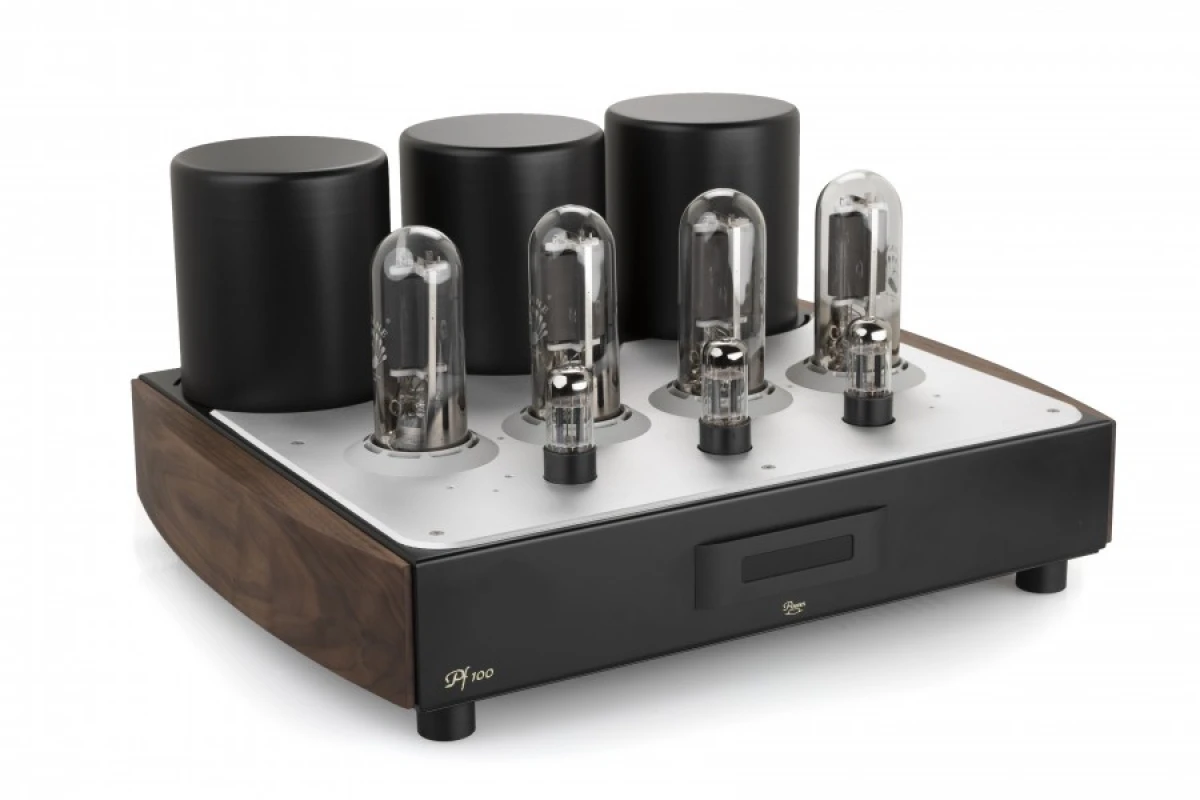
Усилители мощности моно
MasterSound PF100 litz edition
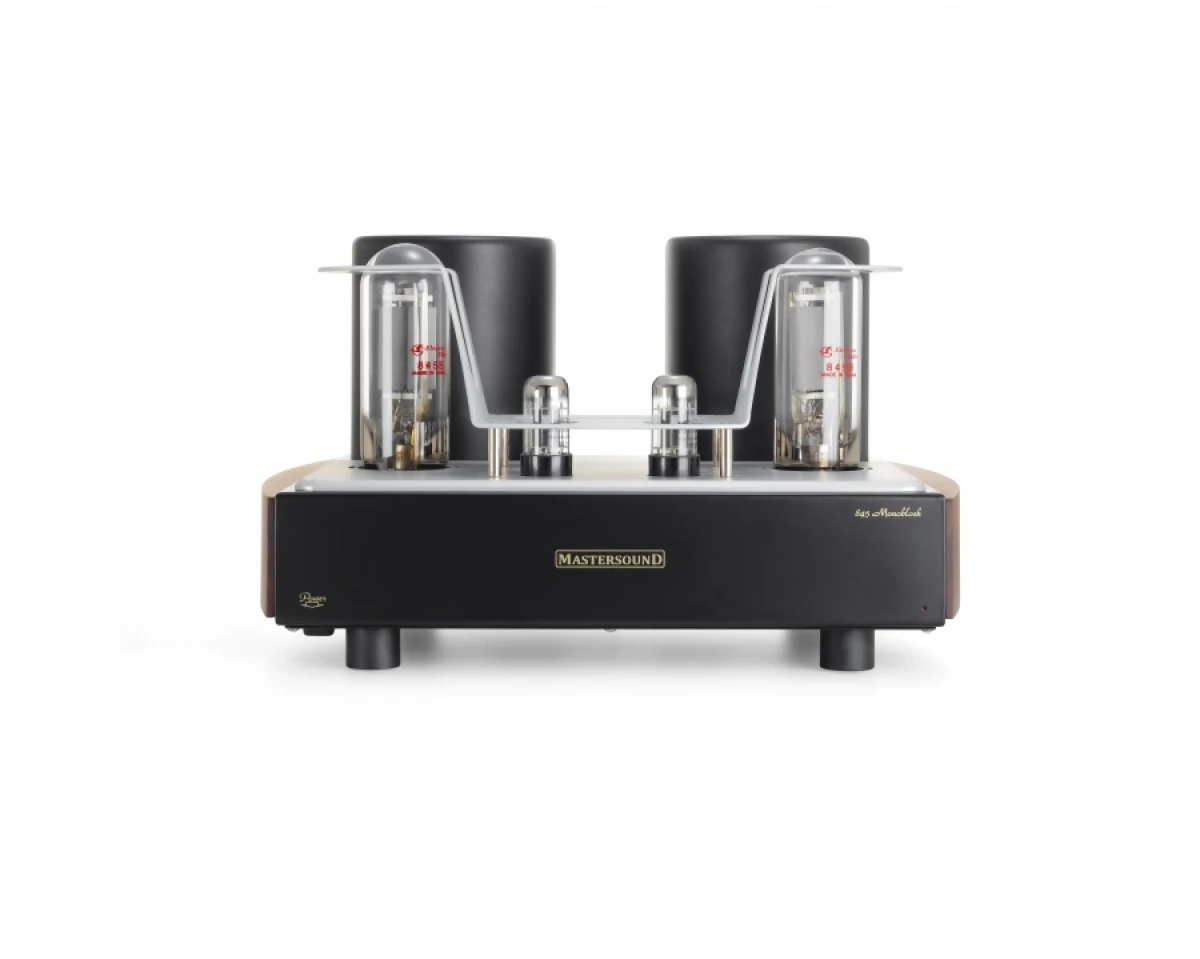
Усилители мощности моно
MasterSound Monoblock 845
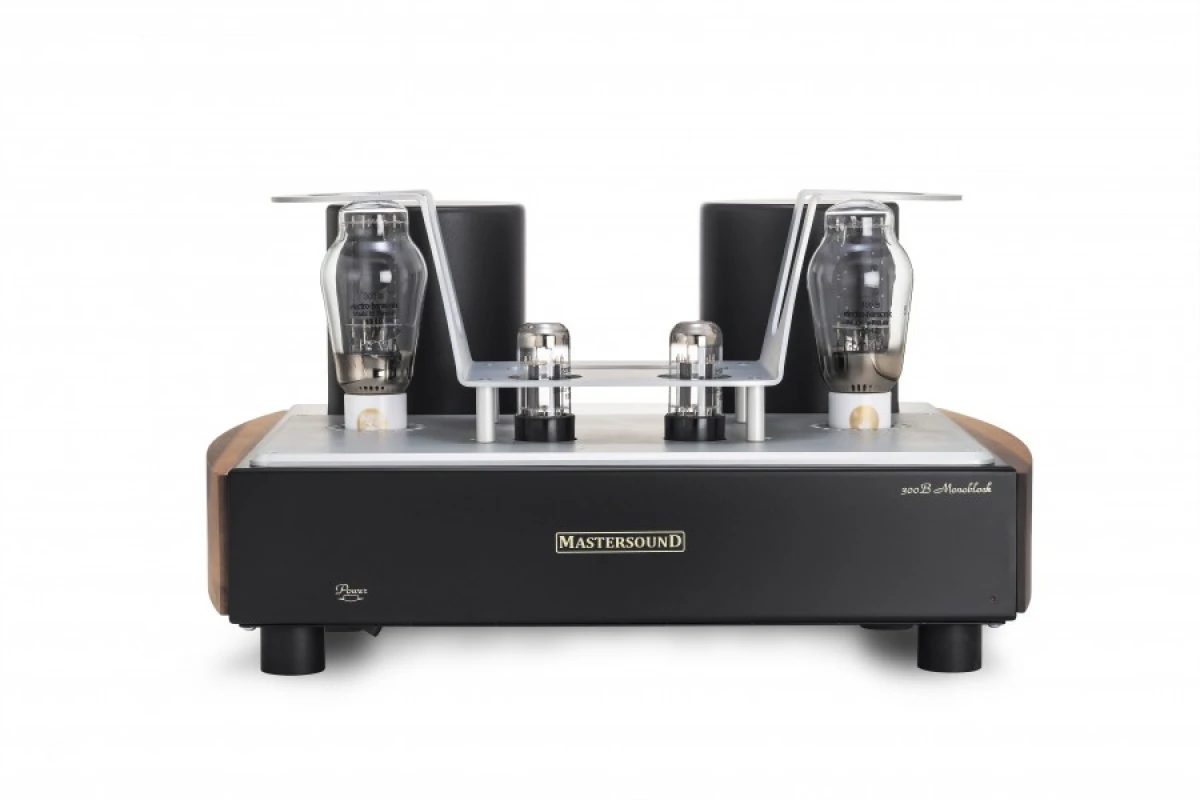
Усилители мощности моно
MasterSound Monoblock 300B