

Интегральные усилители — Ayon Audio Ayon Triton EVO
Описание, изображения, технические характеристики и спецификации
Ayon Audio Ayon Triton EVO
Источник изображения — © Ayon Audio
Key specs that matter
Ayon gives 2 x 120 W in pentode mode and 2 x 70 W in triode mode, into 4 or 8 ohm. Ayon quotes a frequency response of 8 Hz to 60 kHz and a bandwidth of 8 Hz to 70 kHz at -3 dB. Full power needs 380 mV at the input, input impedance at 1 kHz is 100 kOhm, and negative feedback is 0 dB. Connections include three line inputs, an XLR input, a direct input and one pre-out. An optional USB-DAC handles up to 384 kHz at 24 bit and DSD256. An Alps potentiometer controls level. The case measures 51 by 42 by 25 cm and its weight is 45 kg.
Engineering and use context
The output transformer uses a new coil technology that, according to Ayon, gives steadier operation at the bottom of the range. All gain and driver stages were redesigned for a shorter signal path, and the circuit is pure class A, with neither transistors nor follower or buffer stages in the signal route. Bias works in automatic or manual mode and is shown on an analogue meter. The supply has two separate insulated power transformers, housed in shielded cans, two chokes for the output valves and one more for the front-end and driver circuits. Every stage gets its own isolated supply, and heaters take soft-started regulated DC. Line filtering, in-rush limiting and a sequenced power-on cycle of 1 minute protect the tubes, backed by a protection circuit. Inputs are switched by relays placed next to the RCA jacks. Earthing relies on one star point plus a two-way scheme selectable by a ground switch. Custom sockets hold the tubes by beryllium-copper spring contacts. Neutrik supplies the XLR connectors, and copper matrix wire carries the internal signal. The hand-built aluminium chassis has machined knobs, engraved legends, a backlit logo and a black or chrome finish, and a metal handset covers level and muting.
Pairing
Through the direct input the Triton Evo can work as a power amplifier only, and the pre-out allows another amplifier to be added. According to Ayon it copes with more demanding speaker loads.
Alternatives
Ayon's EVO integrated line also includes the Crossfire EVO Integrated.
Характеристики
Название модели
Ayon Triton EVO
Тип
Integrated Amplifier
Аналоговые входы (балансные)
1
Аналоговые входы (небалансные)
3
Чувствительность входа (mV)
380
Входное сопротивление (балансное) (Ω)
100 000
Входное сопротивление (небалансное) (Ω)
100 000
Выходное сопротивление (балансное) (Ω)
N/A
Выходное сопротивление (небалансное) (Ω)
N/A
Цифро-аналоговое преобразование
Н/д
Входное сопротивление Phono MM/MC (по току) (Ω)
N/A
Выходная мощность (8Ω) (W)
2 x 120 (Pentode), 2 x 70 (Triode)
Выходная мощность (4Ω) (W)
2 x 120 (Pentode), 2 x 70 (Triode)
Усиление (dBu)
N/A
Нижняя граница частотного диапазона +/- 3дБ (Hz)
8
Верхняя граница частотного диапазона +/- 3дБ (Hz)
60 000
Отношение сигнал/шум (dB)
N/A
Коэффициент гармонических искажений + шум (%)
N/A
Коэффициент демпфирования
N/A
Габариты (mm)
510 x 420 x 250
Вес (kg)
45
Официальная ссылка
Другие компоненты
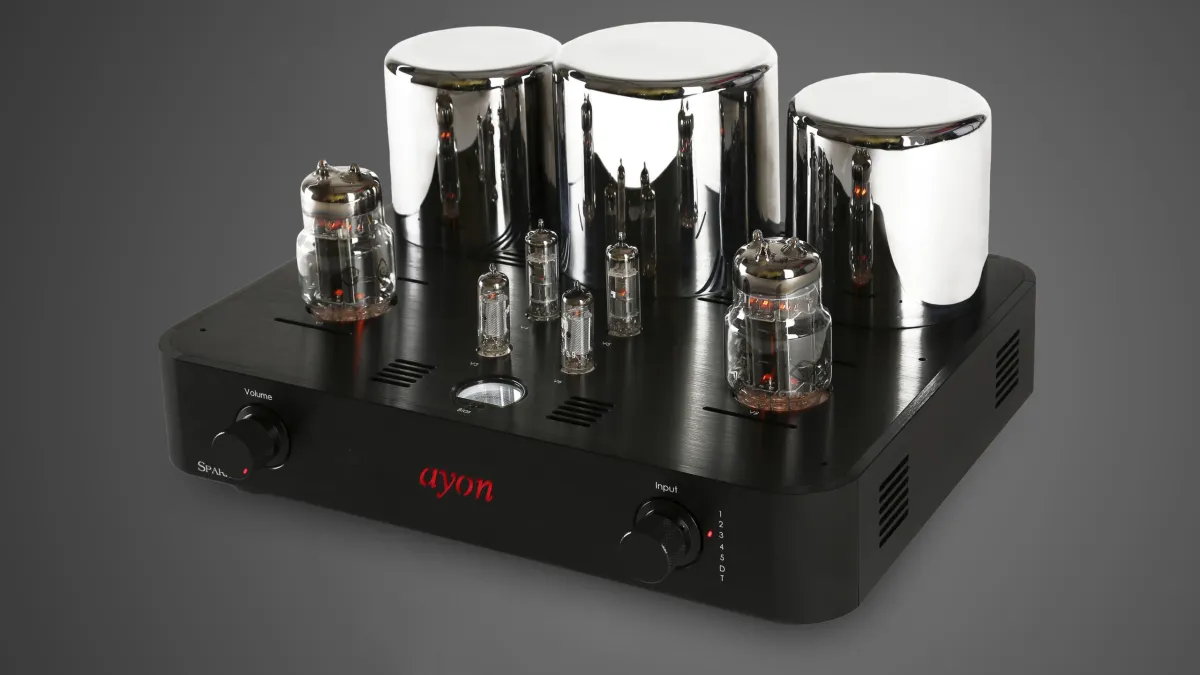
Интегральные усилители
Ayon Audio Ayon Spark V
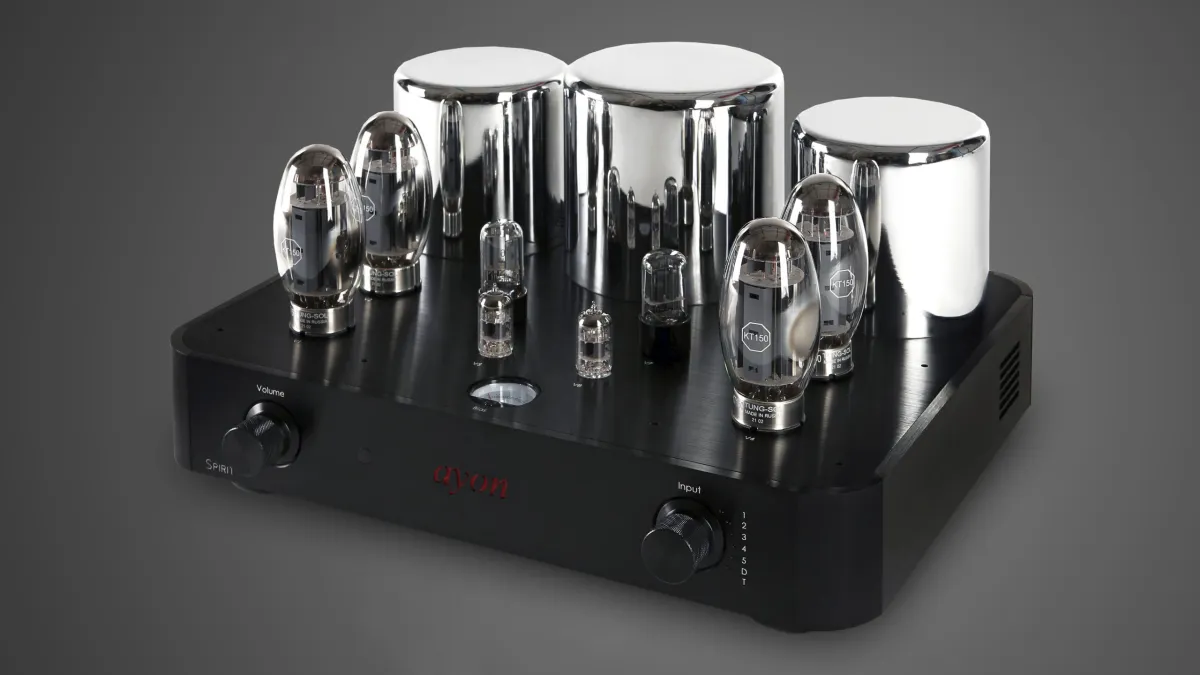
Интегральные усилители
Ayon Audio Ayon Spirit V
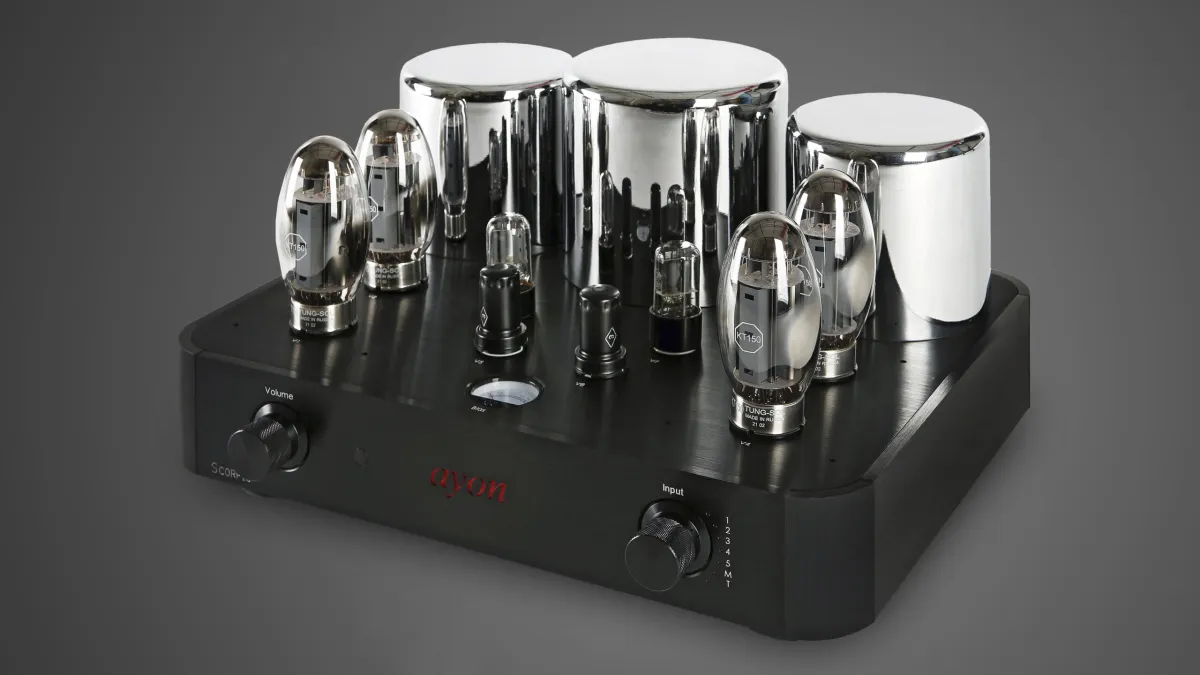
Интегральные усилители
Ayon Audio Ayon Scorpio III
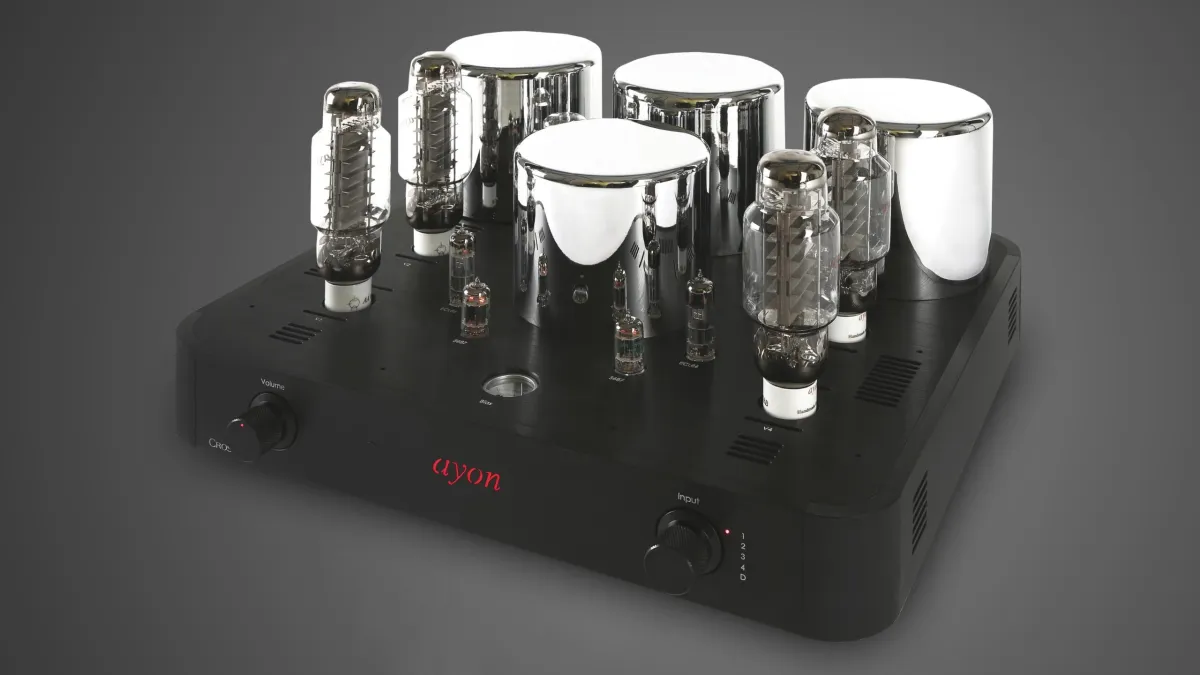
Интегральные усилители
Ayon Audio Ayon Crossfire EVO Delta
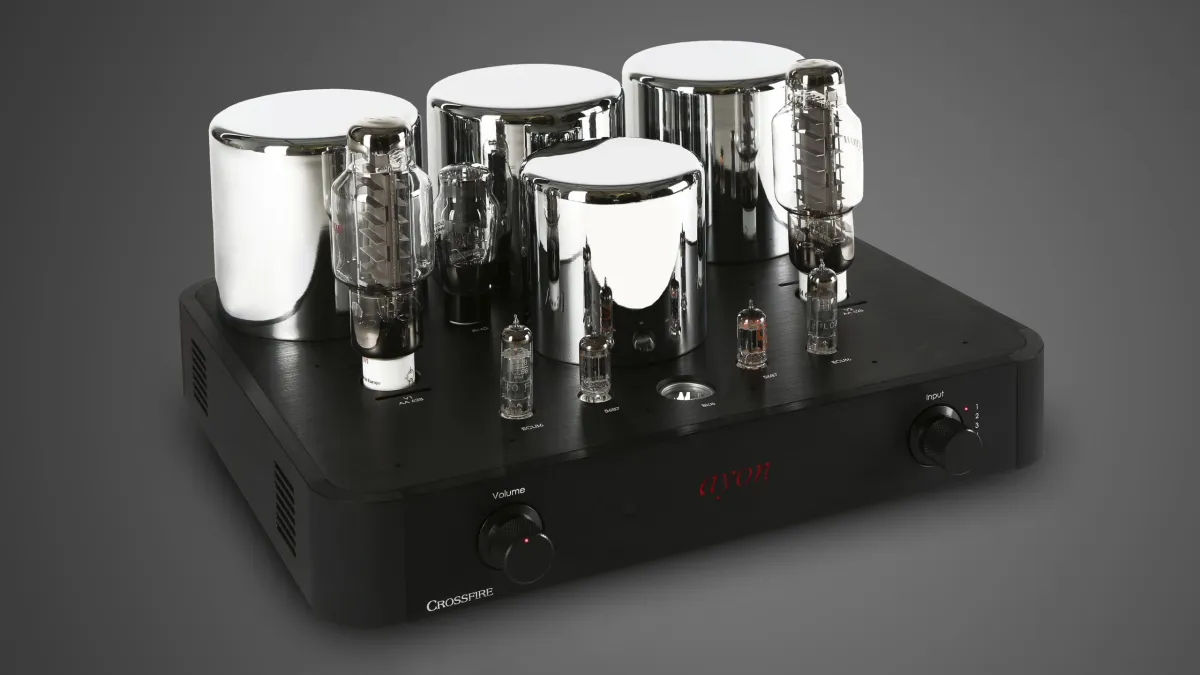
Интегральные усилители
Ayon Audio Ayon Crossfire EVO